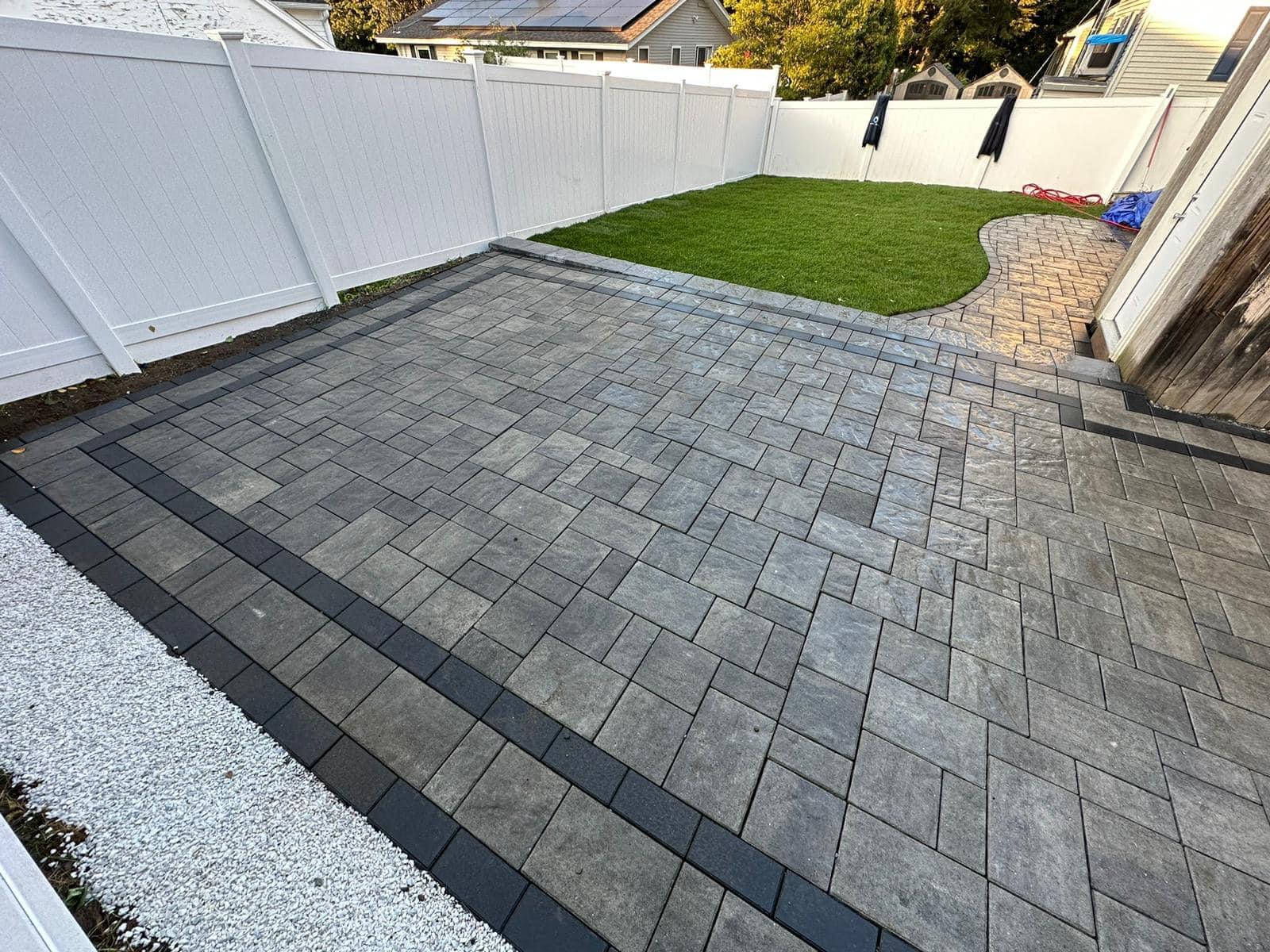
Patio Waterproofing in Totowa, NJ Serving North Jersey: Stop Water Damage Before It Starts
We protect concrete, paver, and stone patios across Bergen, Essex, Passaic, and Morris Counties. Most jobs book within a week.
What Is the Best Waterproofing for a Patio?
North Jersey winters are hard on outdoor surfaces. Freeze-thaw cycles, heavy spring rain, and humid summers break down unprotected concrete, pavers, and stone faster than most homeowners expect. We provide a waterproofing service in North Jersey for residential patios, balconies, and outdoor living areas throughout Bergen, Essex, Passaic, and Morris Counties.
The best method depends on your surface type. Penetrating silane/siloxane sealers work well for porous concrete and pavers, while liquid-applied membranes suit balconies and elevated slabs. According to the American Concrete Institute, sealed concrete can last up to 30% longer than unsealed surfaces.
Penetrating sealers
Absorb into the surface, invisible finish, best for foot-traffic patios
Membrane coatings
Flexible barrier layer, ideal for balconies and raised decks
Surface prep
Required before either system, since the surface must be clean, dry, and open-pored
Cracked, Stained, or Pooling Water? Act Now
If you've noticed surface scaling, white powdery residue (efflorescence), or puddles that linger after rain, those aren't just cosmetic problems. They're early signs that moisture is moving through your surface.
North Jersey temperatures can swing between 10°F and 50°F in a single week during winter. That cycle forces water in and out of concrete pores repeatedly, widening cracks a little more each time. Left alone, what starts as surface wear becomes a structural repair.
Catching it early is the better move. A waterproofing application on a sound surface costs a fraction of what crack injection or slab replacement runs.
Penetrating Sealers vs. Membrane Coatings: Which Is Right?
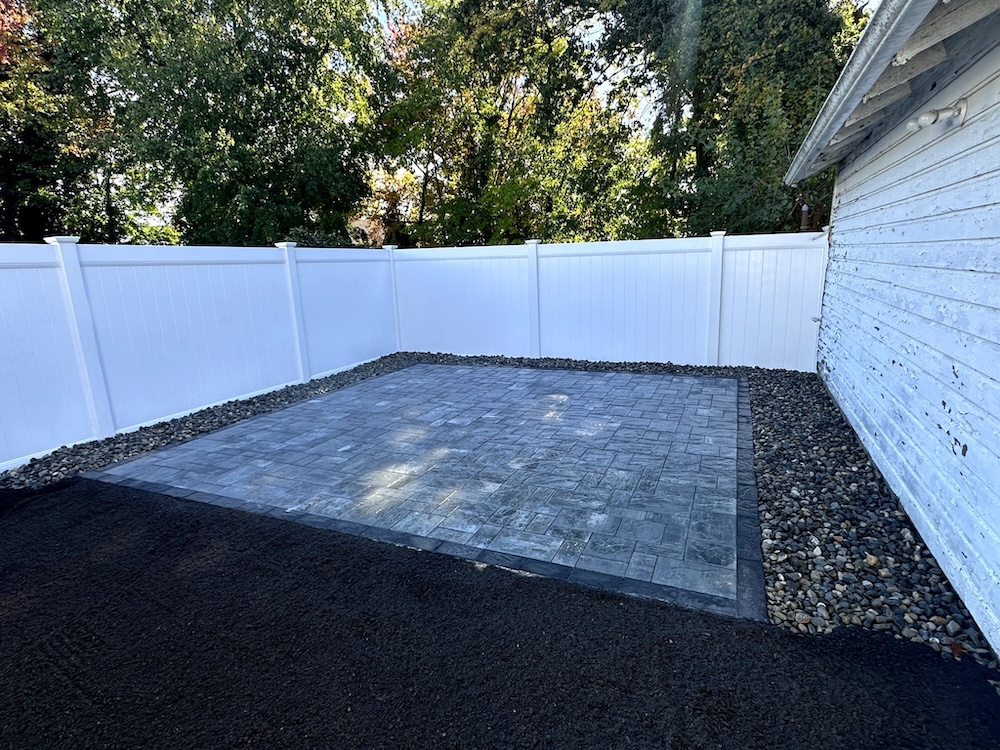
A lot of homeowners search for a waterproofing product online and end up with the wrong one. A film-forming sealer sits on top of the surface and can trap vapor underneath, causing peeling and bubbling. A breathable penetrating sealer absorbs into the pores and lets moisture escape while blocking water from getting in.
| System | Best For | Finish | Notes |
|---|---|---|---|
| Penetrating silane/siloxane | Concrete, pavers, bluestone | Invisible | Breathable; does not alter traction |
| Film-forming acrylic/epoxy | Covered or interior slabs | Sheen or gloss | Can trap vapor; slippery when wet |
| Liquid-applied membrane | Balconies, raised decks | Flexible coating | Best for elevated slabs with drainage concern |
Surface Prep Is What Makes Waterproofing Last
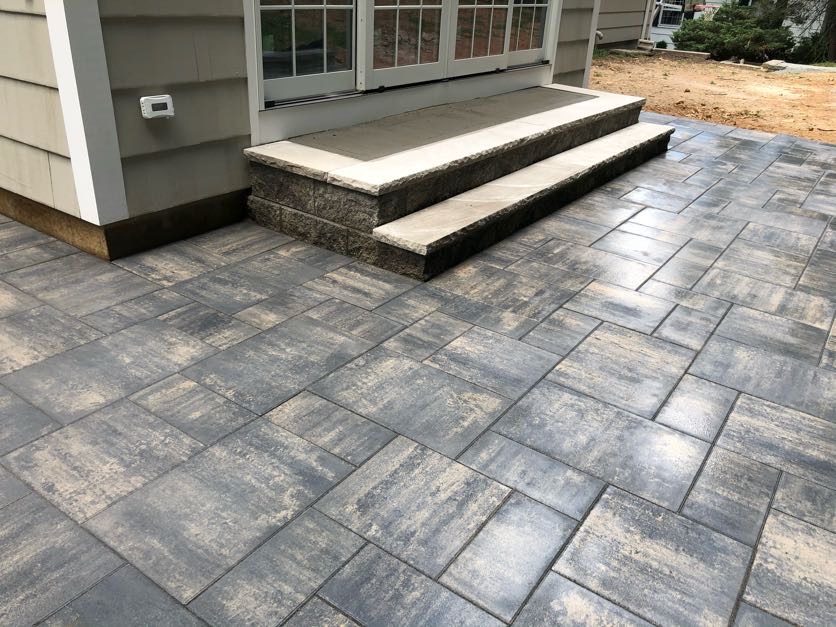
If a previous waterproofing coat peeled on you, surface prep is almost always the reason. Cleaning, etching if needed, and moisture testing all have to happen before any product goes down. Skip any of those steps and the coating fails early, usually within the first winter.
North Jersey properties in tree-heavy areas like Wayne and Paramus accumulate a lot of organic debris: fallen leaves, pollen, algae, and mildew. We clean the surface, let it dry completely, and check moisture levels before we open a product container.
The Right Application Method Matters
Stamped concrete and bluestone patios have texture depressions that need roller application to work product into the low spots. A flat concrete slab can be sprayed efficiently and evenly.
Applying sealer outside the 50°F to 90°F range is one of the most common reasons a waterproofing job fails early. In North Jersey, the practical application window runs from late April through mid-October.
We check conditions before every job. If the forecast looks marginal, we reschedule rather than apply in conditions that would compromise the result.
Maintenance That Extends the Life
Most penetrating sealers need reapplication every 3 to 5 years. Film-forming coatings may need touch-up sooner if foot traffic is high.
- Annual cleaning and seasonal walkthrough
- Water-drop test to check sealer performance
- Spot treatment for high-traffic areas
- Re-sealing before visible water damage appears
Frequently Asked Questions
How long does patio waterproofing last in North Jersey?
Most penetrating sealers last 3 to 5 years in North Jersey conditions. Membrane systems can last longer with proper prep, but local freeze-thaw cycles and foot traffic both affect lifespan. High-traffic areas and surfaces exposed to road salt may need reapplication closer to the 3-year mark.
What surfaces can be waterproofed: concrete, pavers, or stone?
All three can be treated, but each requires a different product. Concrete typically takes a penetrating silane/siloxane sealer or a membrane system. Pavers and natural stone need a breathable penetrating sealer that won't alter traction or trap vapor.
Is it better to waterproof in spring or fall in North Jersey?
Late spring is the better window. Surfaces are dry after winter, temperatures are stable, and the coating has the full summer to cure and harden before cold weather returns. Fall works if the job is done before the first frost, but the curing window is shorter.
Can patio waterproofing fix existing cracks or just prevent new ones?
Waterproofing protects sound surfaces, but it doesn't repair cracks. Existing cracks should be filled and allowed to cure before any coating goes down. If you apply a waterproofing product over an unfilled crack, the product bridges the gap but doesn't bond to it.
Does patio waterproofing make the surface slippery when wet?
Penetrating sealers don't alter surface texture, so traction stays the same. Film-forming sealers can reduce grip when wet. We typically recommend penetrating systems for outdoor patios specifically because traction is not affected.
How do I know if my North Jersey patio needs re-sealing?
The water-drop test gives you an instant read. Pour a small amount of water on the surface. If it beads up and rolls off, the sealer is still working. If it soaks in within a few seconds, or if you're noticing faded color or minor efflorescence returning, it's time to reseal.
More Waterproofing Services
Ready to Get Started?
If you've got a project you've been putting off, or something that needs attention now, we're here to help. No pressure, just honest advice.
Need A Mason Contractor? Request An Estimate!
Fill out the form and we'll get back to you promptly.