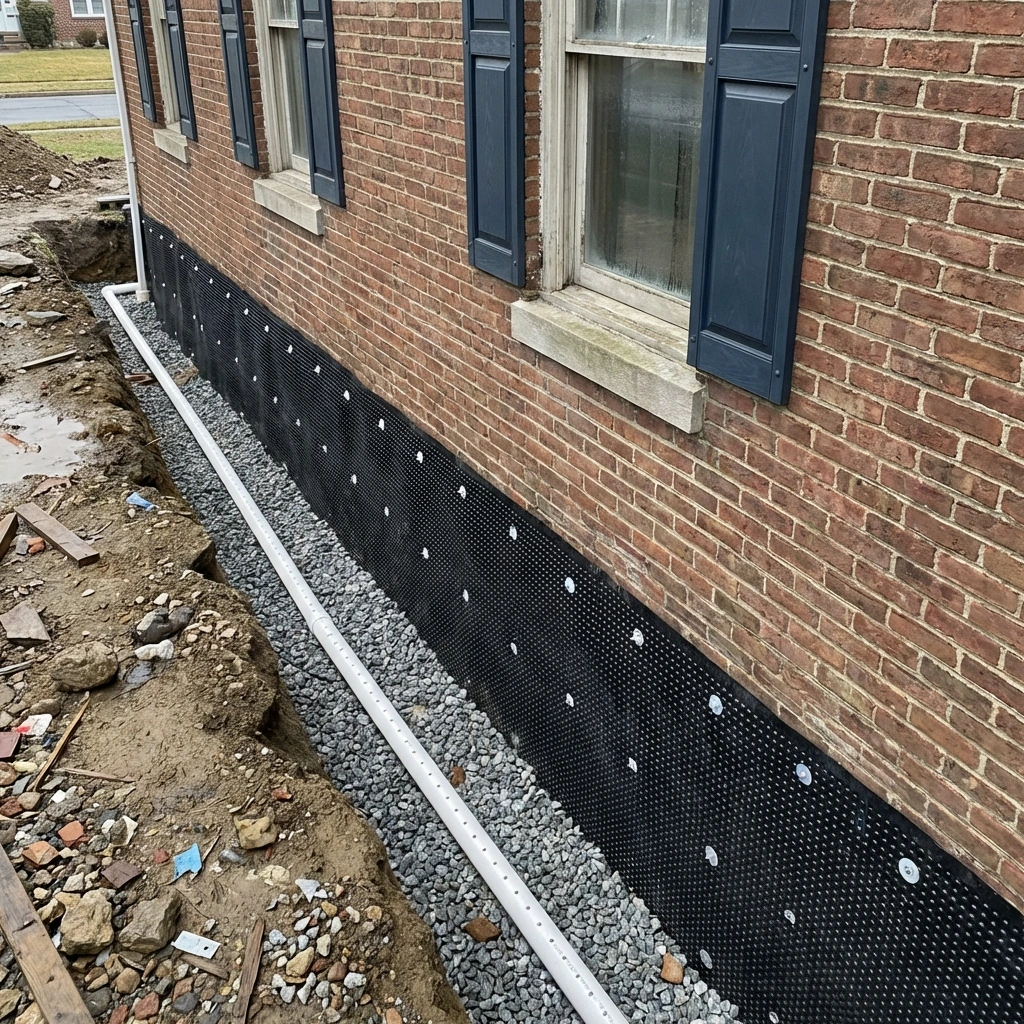
Basement Waterproofing in Totowa, NJ Serving North Jersey
Heavy rain, snowmelt, and clay-heavy soil push water against basement walls year-round. We start with an assessment, put together a repair plan, and schedule the work.
Get a Free Basement AssessmentHow Do You Waterproof a Basement in North Jersey?
Here are five steps that cover most basement waterproofing projects in this area.
Inspect
Inspect the basement for cracks, seepage, and moisture on walls and floors.
Check Exterior
Check exterior grading and downspouts. Soil should slope away from the foundation.
Choose Method
Interior drainage and sump systems handle active water. Exterior membranes prevent water from reaching the wall.
Seal Cracks
Seal cracks in block or poured concrete with hydraulic cement or epoxy injection.
Install Sump Pump
Install a sump pump with battery backup. North Jersey storms and snowmelt can overwhelm a single pump.
Water in Your Basement Signals a Problem Worth Fixing
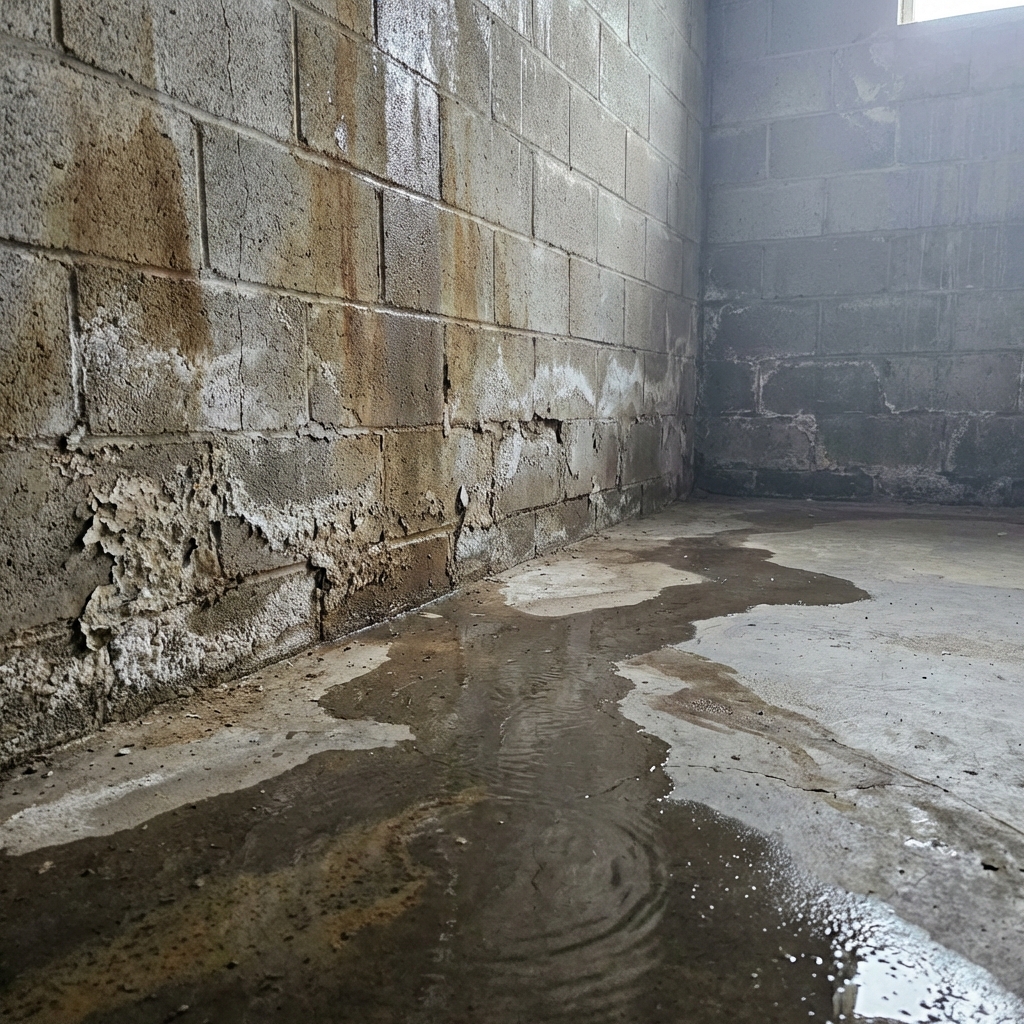
A damp basement is easy to ignore. Maybe there's a musty smell you've gotten used to. Or white, powdery stains on the walls (called efflorescence) that form when water moves through concrete or block and leaves mineral deposits behind. It's one of the earliest signs that moisture is getting in.
Other warning signs include hairline cracks in foundation walls, peeling paint, damp spots that come and go after rain, or standing water on the floor. The EPA notes that mold can start growing on wet surfaces within 24 to 48 hours[1].
In areas like Bergen, Passaic, and Morris counties, freeze-thaw cycles speed up concrete cracking. And the clay-heavy soil common across this region holds water against your foundation longer than sandy or loamy soil would.
Interior and Exterior Methods Stop Water at the Source
Interior methods work well when water is already entering the basement. The most common setup is an interior French drain system along the perimeter of the floor, paired with a sump pump.
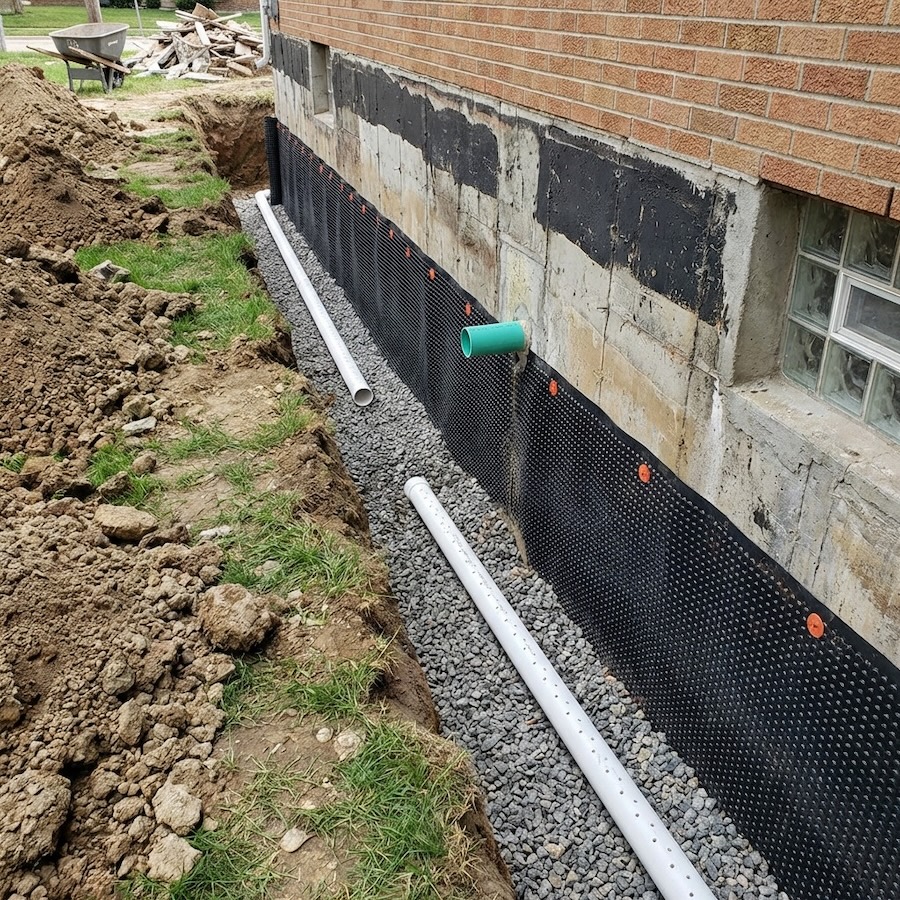
Exterior methods stop water before it gets to the wall. This usually involves excavating along the foundation, applying a waterproof membrane to the exterior surface, and installing drain tile at the footing level. The University of Minnesota Extension identifies exterior drainage as the most effective long-term approach[2].
Important distinction: dampproofing and waterproofing are not the same. Many older homes in towns like Montclair, Ridgewood, and Morristown were built with dampproofing that has broken down over the decades. The IRC (Section R406)[5] draws a clear line between the two.
DIY Patches Rarely Solve the Real Issue
Products like Drylok and Flex Seal are marketed as basement solutions. And they can reduce minor surface dampness for a while. But they are not waterproofing. Those products sit on the surface, so they create a barrier against vapor, but they cannot resist hydrostatic pressure.
The U.S. Department of Energy explains that air movement carries over 98% of moisture into building cavities[3]. That means the real issue is usually not the wall surface itself.
In low-lying parts of North Jersey near the Passaic River and Hackensack River, the water table sits higher than average. No paint-on product is built to handle that kind of force. If you've already tried a DIY fix and the problem came back, you are not alone. It's one of the most common calls we get.
A Masonry Contractor Handles the Full Scope of Work
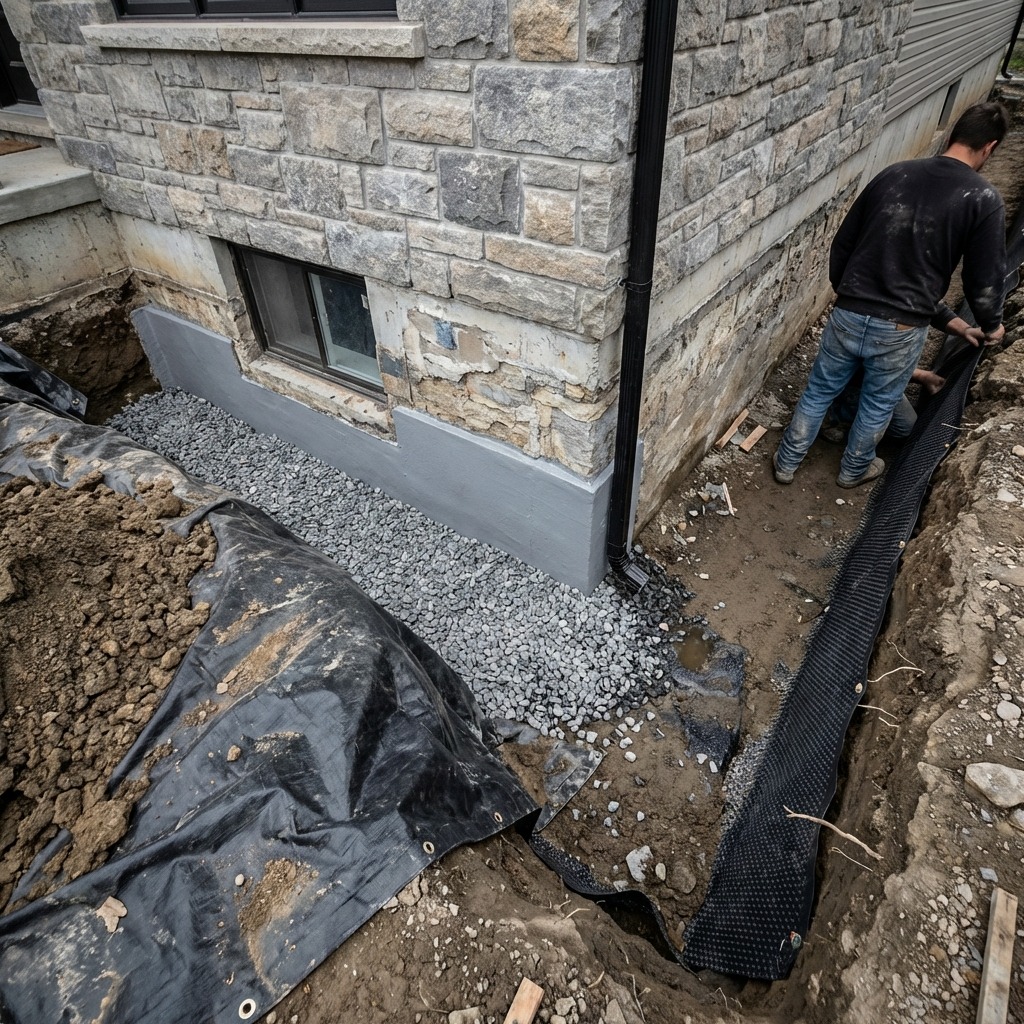
Basement waterproofing involves concrete repair, block repair, drainage work, and sometimes excavation. Here's what a typical job looks like with us.
Inspection
We look at the interior and exterior of the foundation, check grading, and identify where water is entering.
Diagnosis
We determine whether the issue is surface drainage, hydrostatic pressure, crack failure, or a combination.
Proposal
You get a written scope of work with the recommended approach and timeline.
Prep & Installation
We handle excavation if needed, membrane application, crack sealing, drain systems, and sump pump installation.
Cleanup
The site is restored and we walk you through what was done and what to watch for going forward.
ASTM International maintains performance standards (D7832)[4] specifically for below-grade waterproofing membranes. We follow those standards because they exist for a reason.
Proper Waterproofing Protects Your Foundation for Decades
A waterproofing system is a long-term investment. Exterior membrane systems, when installed correctly, can last the life of the building. Interior drain and sump systems typically last 10 to 25 or more years with proper maintenance.
Sump pumps do need attention. Battery backups should be tested at least once a year. In neighborhoods like Wayne, Nutley, and Bloomfield, where spring flooding is a regular event, that yearly check can make a real difference.
Common Mistakes to Avoid
If you're planning to finish your basement or already have, it's worth making sure the waterproofing is solid first. It's a lot easier to address before the walls go up.
Basement waterproofing is one part of our waterproofing services in North Jersey, which also covers patios and foundations.
Frequently Asked Questions
How do I know if my North Jersey basement needs waterproofing?
Look for these five warning signs: cracks in foundation walls, white mineral stains (efflorescence), damp or wet walls after rain, a persistent musty smell, or visible mold. If you notice even one of these, a professional inspection is a good next step. These issues tend to get worse over time, not better.
Can I seal my basement walls from the inside?
Interior sealers can reduce vapor diffusion, but they will not stop active water entry on their own. The most common interior solution is a perimeter drain system paired with a sump pump. This approach manages water that enters the basement and redirects it out before it reaches your living space.
Do I need a permit for basement waterproofing in North Jersey?
Requirements vary by municipality. Some North Jersey townships require permits for excavation or plumbing work, while others do not. Your contractor should confirm local rules before starting. We handle the permit check as part of our process.
Will my homeowner's insurance cover basement waterproofing?
Standard homeowner's policies typically do not cover waterproofing. Most policies cover sudden water damage, like a burst pipe, but not gradual seepage or groundwater intrusion. It's worth reviewing your policy and asking your agent about flood insurance if you're in a low-lying area.
How long does a basement waterproofing system last?
Exterior membrane systems can last the life of the home when installed to ASTM standards. Interior drain and sump systems typically last 10 to 25 or more years with regular maintenance. Battery backups on sump pumps should be tested yearly to make sure they're ready when you need them.
More Waterproofing Services
Ready to Get Started?
If you've got a project you've been putting off, or something that needs attention now, we're here to help. No pressure, just honest advice.
Need A Mason Contractor? Request An Estimate!
Fill out the form and we'll get back to you promptly.