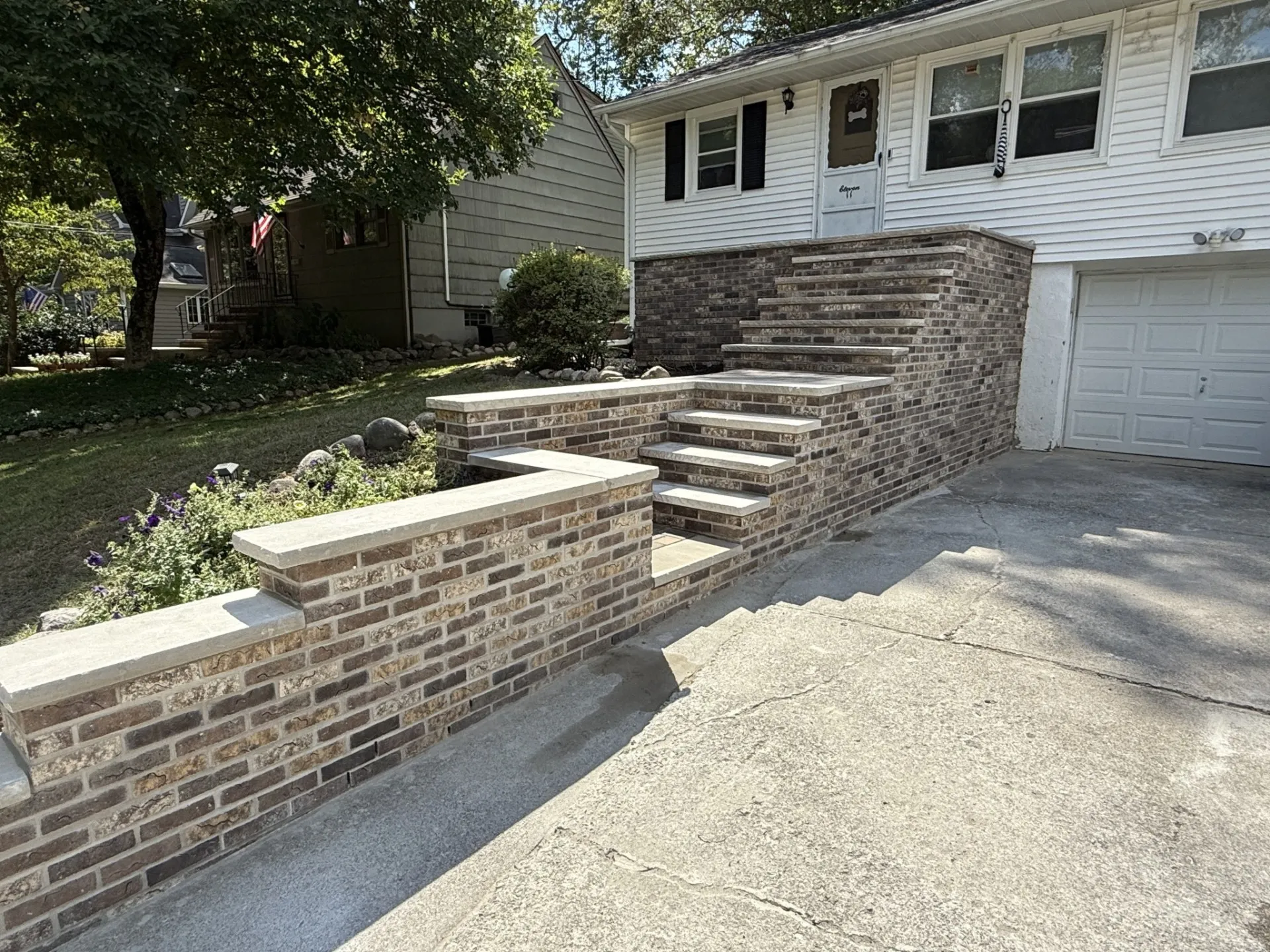
Brick Work Contractor in Totowa, NJ Serving North Jersey
Residential and commercial brick masonry built for North Jersey's climate. New construction, repairs, and restoration.
Brick Work Covers More Than Walls in North Jersey Homes
When most people hear "brick work," they think of walls. And that is a big part of it. But brick masonry covers a lot more than that. We build and repair chimneys, front steps, walkways, retaining walls, columns, and full exterior facades. Brick is the original trade behind our work as a masonry contractor in North Jersey.
For residential projects in Bergen County and Passaic County, the most common work we handle includes exterior wall construction, chimney rebuilds, garden walls, and mailbox columns. On the commercial side, we see storefronts, loading docks, and retaining walls.
A lot of towns across North Jersey have older homes with original brickwork. Places like Montclair and Ridgewood have properties that go back decades. When those need repair or restoration, matching the existing brick and mortar profile matters. We source matching materials so the repair looks like it belongs.
The Brick Industry Association (BIA) Technical Notes[1] provide industry-standard definitions for brick construction types and installation methods. We follow those guidelines on every project.
New Brick Installation and Repair Services
A licensed masonry contractor selects brick grade, bond pattern, and mortar type based on the structure and local building codes.
The Right Brick Bond Pattern Strengthens Your Structure
A bond pattern is how bricks are arranged in a wall. It's not just decorative. The pattern you choose affects how well the wall holds up over time. Some patterns interlock better than others, which means more structural strength.
Running Bond
The most widely used for residential walls in Essex and Morris County. Simple, clean, and strong.
Flemish Bond
Alternates headers and stretchers in each course. Common on historic properties in towns like Morristown.
English Bond
Alternates full courses of headers and stretchers. Good structural integrity for thicker walls.
Stack Bond
Bricks line up vertically. Modern look, but weaker and needs steel reinforcement.
Header Bond
All headers, often used for curved walls or decorative accents.
BIA Technical Note 30[1] covers bond pattern standards and structural considerations in detail.
Grade SW Bricks Handle North Jersey Freeze-Thaw Cycles
Not all bricks are built for the same climate. North Jersey gets hit with over 80 freeze-thaw cycles per year. Choosing the wrong grade means early failure.
Grade SW (Severe Weathering)
Lowest water absorption, highest compressive strength. Built for climates like ours.
Recommended for North JerseyGrade MW (Moderate Weathering)
Works in milder regions with less moisture exposure.
Grade NW (Negligible Weathering)
Interior use only. Not rated for any outdoor application.
North Jersey falls in the severe weathering index under ASTM C62 classifications[2].
Skilled Bricklaying Prevents the Most Common Installation Mistakes
Poor bricklaying shows up fast, sometimes within the first year. And the repairs cost more than doing it right the first time. We see the same mistakes over and over on jobs where the original crew cut corners.
The biggest issues are incomplete mortar joints, inconsistent joint thickness, poor alignment, and skipping weep holes in veneer walls. Out of all of those, incomplete mortar joints are the number one cause of brick wall failure.
Here is something a lot of homeowners don't realize: bricks are not waterproof on their own. Proper mortar coverage, flashing, and drainage detailing are what keep water out. Skip any one of those steps and the wall will fail eventually.
In New Jersey, structural masonry projects typically require a construction permit through the local building department. The NJ Uniform Construction Code[5], enforced by the NJ Department of Community Affairs, sets the rules.
For safety requirements during construction, OSHA standard 1926.706[3] covers limited access zones, wall bracing, and scaffolding for masonry operations.
Brick Adds Lasting Curb Appeal and Resale Value
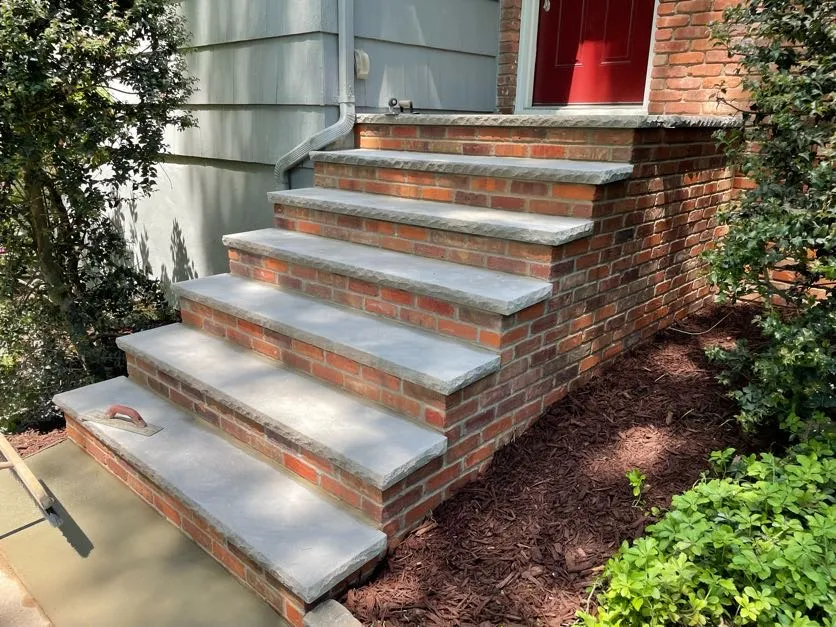
There is a reason brick has been around for thousands of years. It lasts. A properly installed brick structure can go 100 years or more with basic upkeep. Compare that to wood siding that needs painting every few years, or vinyl that warps and fades.
No painting. No warping. No pest damage. Brick also provides natural insulation and fire resistance, which are practical benefits on top of the curb appeal. For homeowners in Bergen County and Passaic County looking at long-term value, brick is hard to beat.
In North Jersey's competitive real estate market, buyers notice brick. Neighborhoods like Glen Ridge and Rutherford have a strong association between brick exteriors and quality construction. That perception translates directly into resale value.
The key to keeping brick looking good long-term is timely tuckpointing. When mortar joints start to crack or recede, repointing them before water gets in will extend the life of the wall by decades.
The Mason Contractors Association of America (MCAA)[4] certification program helps homeowners identify qualified masonry contractors committed to quality standards.
Brick Work in Action Work in Action
Frequently Asked Questions
Common questions about brick work in North Jersey
What types of brick work can a masonry contractor do in North Jersey?
A masonry contractor in North Jersey can handle new construction, chimney rebuilds, front steps, walkways, columns, retaining walls, tuckpointing, and full exterior facades for both residential and commercial properties. The scope depends on the project, but most brick-related work falls under what a licensed mason can do.
Do I need a permit for brick work in North Jersey?
Structural masonry projects in New Jersey typically require a construction permit issued through the local building department under NJ DCA regulations. Minor repairs like repointing a few mortar joints may qualify as ordinary maintenance and not require a permit. When in doubt, your local building department can clarify what applies to your project.
What is the best type of brick for North Jersey weather?
Grade SW (severe weathering) bricks are the best choice for North Jersey's climate. They meet ASTM C62 standards for freeze-thaw resistance and have the lowest water absorption rate of the three brick grades. For any exterior application in this region, Grade SW is the standard.
How do I know if my brick wall needs repair?
Cracked mortar joints, spalling brick faces, white staining called efflorescence, and bowing are all signs that repair is needed. Some of these are cosmetic, but others point to water intrusion or structural movement. A masonry contractor can assess the damage and recommend whether tuckpointing, brick replacement, or a more involved repair makes sense.
What should I look for when hiring a brick mason in North Jersey?
Look for NJ contractor licensing and insurance first. After that, ask about their experience with local building codes and whether they carry MCAA certification. Check reviews and ask to see photos of recent projects. A qualified mason should be able to explain their process and answer your questions without dodging details.
Ready for Professional Brick Work?
If you've got a project you've been putting off, or something that needs attention now, we're here to help. No pressure, just honest advice.
Need A Mason Contractor? Request An Estimate!
Fill out the form and we'll get back to you promptly.