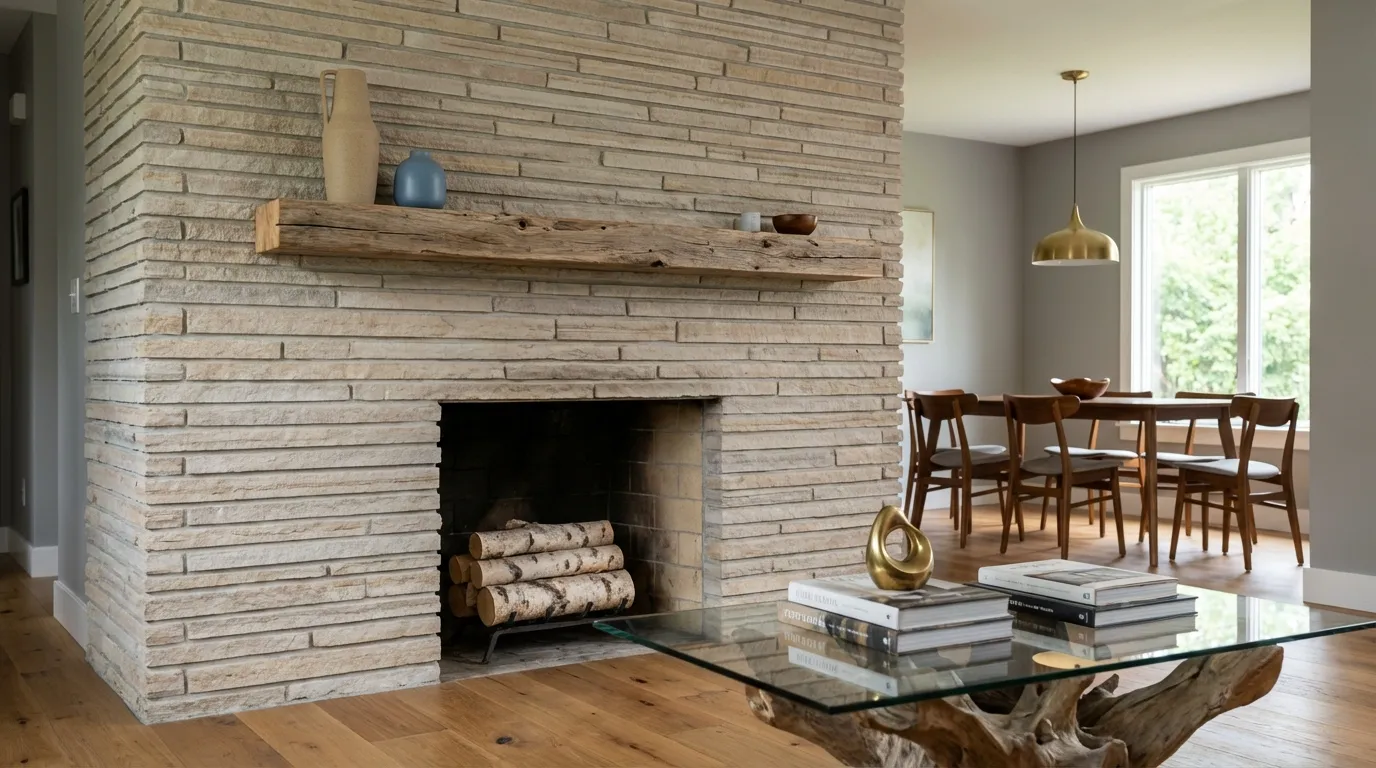
Fireplace Installation in Totowa, NJ Serving North Jersey
Schedule Your Free AssessmentThinking about adding a fireplace to your home? Fireplace installation in North Jersey is one of the best ways to add warmth and boost your resale value. We build wood-burning, gas, and full masonry fireplaces for homes across Bergen, Passaic, Essex, and Morris counties. Every project needs a permit, and timelines vary by fireplace type. Our licensed masonry contractors build fireplaces that hold up through the tough Northeast winters. Every outdoor fireplace is built by the same father-and-son crew at Masonry Pro Construction.
Most North Jersey Homes Can Support a New Fireplace
You'd be surprised how many homes can install a fireplace, even ones that don't have a chimney right now. There are three main types we install:
- Masonry-built is the traditional route. You need a concrete foundation for it, and there has to be enough clearance between the firebox and any combustible material. That's per code, NFPA 2111.
- Factory-built (prefab) units are lighter. They can work in homes where going full masonry isn't an option.
- Gas direct-vent is what we recommend when there's no chimney at all. These fireplaces vent through an exterior wall using sealed combustion and no flue is needed.
A lot of older homes across Bergen, Passaic, and Essex counties were built before 1960 and many of them still have chimney infrastructure that can be used or rebuilt. Newer homes out in Wyckoff, Montclair, or Wayne may need a chimney built from scratch.
Can you do this yourself? Not in New Jersey. Any fireplace project that needs a permit has to go through a licensed contractor and NFPA 211 backs that up. It's a safety thing, not just a code thing.
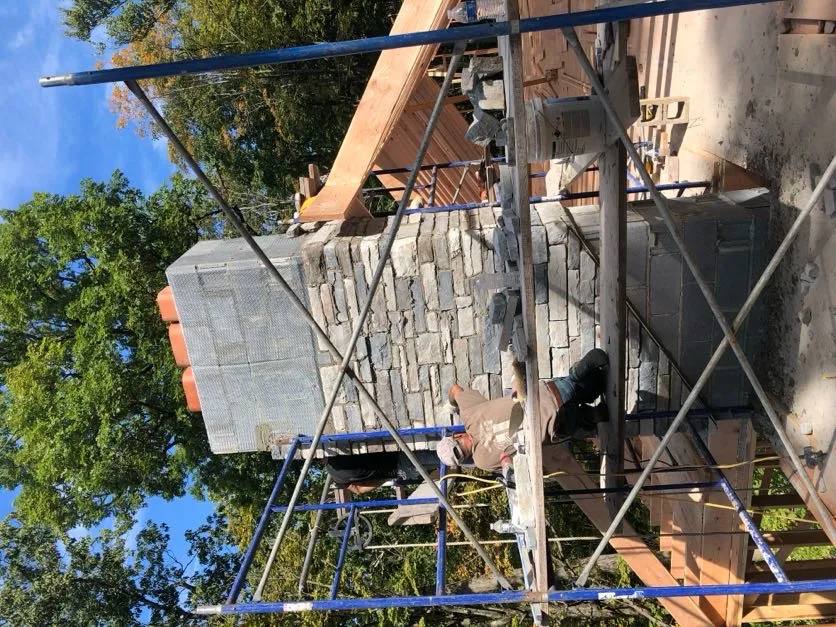
Choose the Right Fireplace Type for Your North Jersey Home
Each fireplace type gives you something different. Heat output, maintenance, cost, and resale impact all vary. Here's how they break down:
| Type | Efficiency | Chimney Required | Maintenance | Best For |
|---|---|---|---|---|
| Wood-burning masonry | High | Yes | Annual cleaning required | Homeowners who want a traditional fireplace built to last |
| Gas direct-vent | Moderate | No | Low, occasional servicing | Newer homes or homes without a chimney |
| Electric | Low | No | Minimal | Budget installs, supplemental heat only |
| Masonry-built (custom) | High | Yes | Periodic inspection | Custom stone or brick finish, long-term durability |
Wood-burning fireplaces have that classic feel. But they do need a chimney and yearly cleaning to stay safe. If your home in Morris County or the surrounding area lacks chimney access, a direct-vent gas unit may be the better option. Sealed combustion, no flue, and they're the most requested fireplace type among buyers in the Northeast, according to the NAHB3.
Electric units cost the least to install. Fair enough. But they put out limited heat and won't carry the same weight at resale.
And if you want something that really holds up, a masonry-built fireplace with custom stone or brick is hard to beat. We build these across Ridgewood, Glen Rock, and Chatham. Fireplaces can add anywhere from 1 to 3 percent to your home's value per NAR estimates, and that number tends to hold stronger in cold-climate markets like North Jersey.
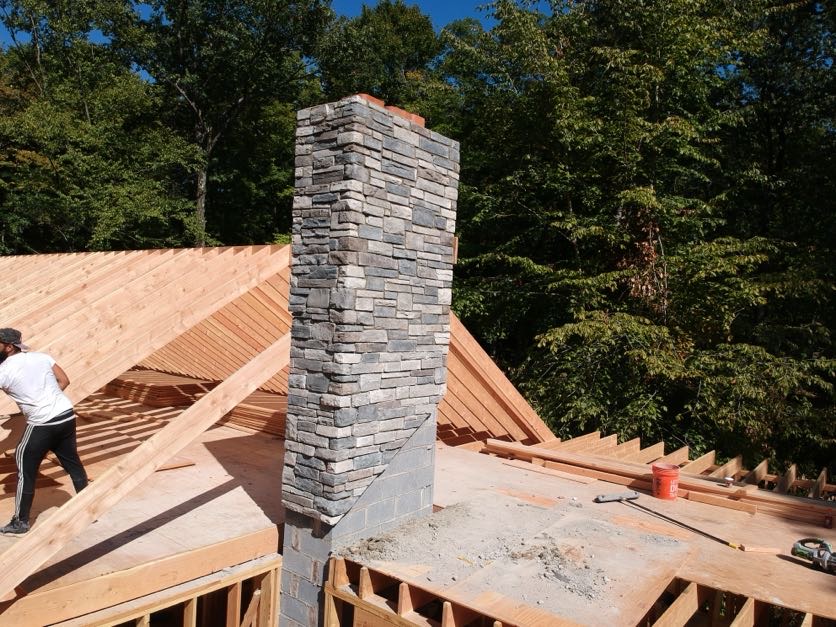
What North Jersey Homeowners Need Before Installation Begins
Before any work starts, you'll need a construction permit. New Jersey enforces the Uniform Construction Code (NJAC 5:23)4, and every new fireplace install falls under it. Your local building department in Paramus, Hackensack, Clifton, or wherever you are in North Jersey handles the application and inspection.
Here's what the code covers for fireplaces specifically:
- Firebox depth: 20 inches minimum
- Hearth extension: 16 inches out from the front, 8 inches on each side
- Combustible clearance: At least 6 inches from the fireplace opening per NFPA 211, Section 11.2.5.3
- Chimney verification: The UCC-F370 form is required for any new fireplace
One more thing. Make sure whoever you hire holds a valid NJ Home Improvement Contractor registration. That's separate from a general business license. If they can't show you that, keep looking.
How a Masonry Contractor Installs a Fireplace Step by Step
Knowing what goes into a fireplace install helps you plan your timeline and avoid surprises. Here's how we handle it from start to finish:
Site Inspection
We inspect foundation, framing, and chimney path. Not every wall or room works.
Pull the Permit
We handle the construction permit through your local NJ building department.
Foundation and Hearth Prep
Footings go below frost line. Hearth pad built to code.
Firebox and Smoke Chamber
Construct masonry firebox, smoke chamber, install flue liner.
Damper and Chimney Cap
Ferrous metal damper per NJ code. Chimney cap and flashing.
Finish Work
Stone veneer, brick, mantel, hearth extension applied.
Final Inspection
Municipality sends inspector. Certificate of Approval issued.
Common mistakes we see: Skipping the chimney liner, undersizing the flue, and not maintaining proper clearance to combustibles. Those are the three that cause the most problems down the road. Per NFPA 211, masonry over any opening has to be supported by noncombustible lintels. That's a detail some contractors overlook.
Keep Your New Fireplace Safe and Efficient for Years
Once your fireplace is in, taking care of it is pretty straightforward. But there are a few things you don't want to skip.
The 3-2-10 rule. Your chimney must be at least 3 feet above the roofline. And it needs to be 2 feet taller than anything within 10 feet of it. This includes roof peaks, dormers, whatever is nearby. This keeps draft pulling correctly and reduces fire risk.
Annual inspections. North Jersey winters mean heavy fireplace use from October through March. Creosote builds up faster in cold climates, and it doesn't take much to become a hazard. A yearly inspection catches cracks in the liner, creosote buildup, and any masonry damage before it turns into a bigger problem. The NFPA recommends this1 for every fireplace, every year.
Older fireplaces. If you have an existing fireplace in Wayne, Livingston, or Nutley that hasn't been used in a while, don't just light it up. Have someone look at it first. In a lot of cases, rebuilding the firebox or relining the chimney makes more sense than patching things together. You get a safer fireplace and it costs less long term than dealing with repeated repairs.
Frequently Asked Questions
Do I need a permit to install a fireplace in North Jersey?
Yes. The New Jersey Uniform Construction Code requires a construction permit for all new fireplace installations. Your local building department handles the application and schedules the inspection. Work can't start until the permit is approved.
Can a masonry contractor add a fireplace to a home that doesn't already have one?
Yes. We can build a new fireplace and chimney from the ground up or install a factory-built unit with a new chase. The right option depends on your home's structure and what your foundation can support.
What type of fireplace works best for North Jersey winters?
Wood-burning masonry fireplaces put out the most heat and last the longest. Gas direct-vent units are a good option too, especially if you don't have a chimney. Both hold up well in the Northeast climate.
How long does fireplace installation take in North Jersey?
A gas insert may take 1 to 2 days. A full masonry fireplace with chimney can take 2 to 4 weeks depending on permit timelines and weather. If you want it ready for winter, plan to schedule before fall.
Does adding a fireplace increase home value in North Jersey?
In cold-climate markets like North Jersey, fireplaces are still a desirable feature. The NAHB shows gas fireplaces rank high on buyer preference lists. NAR data suggests fireplaces can add 1 to 3 percent to home value.
Do I need a professional to install a fireplace?
Yes. New Jersey requires a licensed contractor for any project that involves a building permit. NFPA 211 also calls for professional installation on all fireplace types. Make sure your contractor holds a valid NJ Home Improvement Contractor registration.
See Our Work in Action
Ready for a Fireplace Installation?
If you've got a project you've been putting off, or something that needs attention now, we're here to help. No pressure, just honest advice.
Need A Mason Contractor? Request An Estimate!
Fill out the form and we'll get back to you promptly.