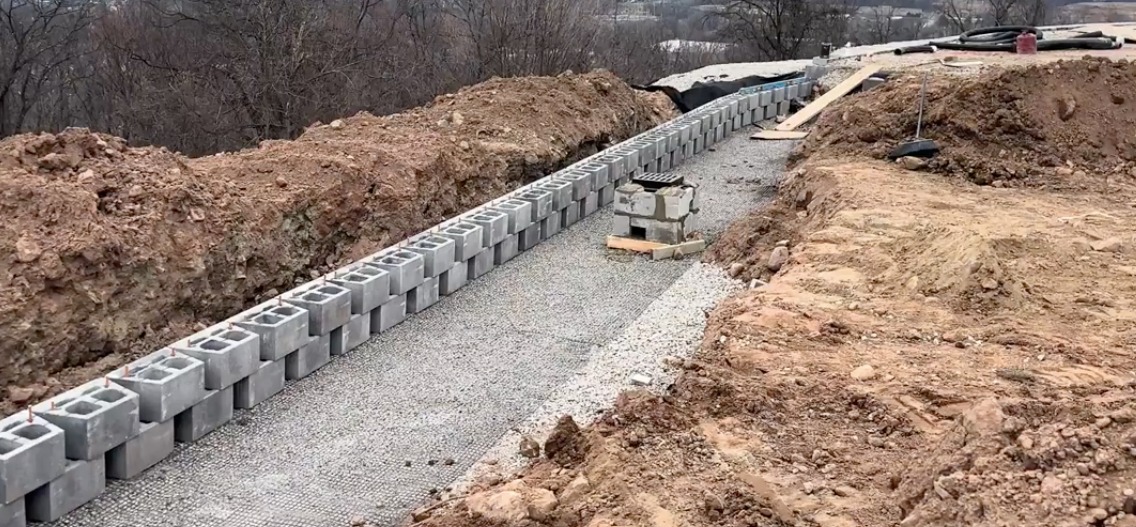
Block Work Contractor in Totowa, NJ Serving North Jersey
Built to Last for Decades: Foundations, Retaining Walls, Garden Walls & More
Concrete Block Work Creates Strong, Long-Lasting Structures
Block work is the process of stacking concrete masonry units (CMUs) with mortar to form walls and load-bearing structures. It sounds straightforward, but the materials and technique behind it are what make it last. A properly built block wall can hold up for 100 years or more per CMHA guidelines[1]. Block work supports a lot of our masonry services, from foundations to retaining walls.
CMUs resist fire, insects, and rot. They don't warp. They require less maintenance than wood framing or other materials. In North Jersey, our freeze-thaw cycles put extra stress on walls every winter. That's why we use blocks rated for severe weather exposure and meeting ASTM C90 compressive strength requirements[3].
Properties in Montclair and Ridgewood rely on block work for basement and foundation walls, and the durability shows decades later.

The Right Block Type Matches Your North Jersey Project
Not every block does the same job. Picking the right type for your project saves time and avoids problems later on.
Standard Stretcher Blocks
The most common CMU. Hollow, lighter to handle, and ideal for general wall construction.
Solid Blocks
Carry heavier loads. Used where extra strength matters: foundations and load-bearing walls.
Split-Face Blocks
Rough-textured finish that adds a finished look without needing a veneer layer.
Pillar & Column Blocks
Shaped for structural posts, mailbox surrounds, and entryway features.
Cap Blocks
Sit on top to finish the wall and shed water. Essential for wall longevity.
New Jersey's Uniform Construction Code (UCC) requires load-bearing walls to use blocks meeting ASTM C90 standards[3], enforced at the municipal level per NJ UCC[5].
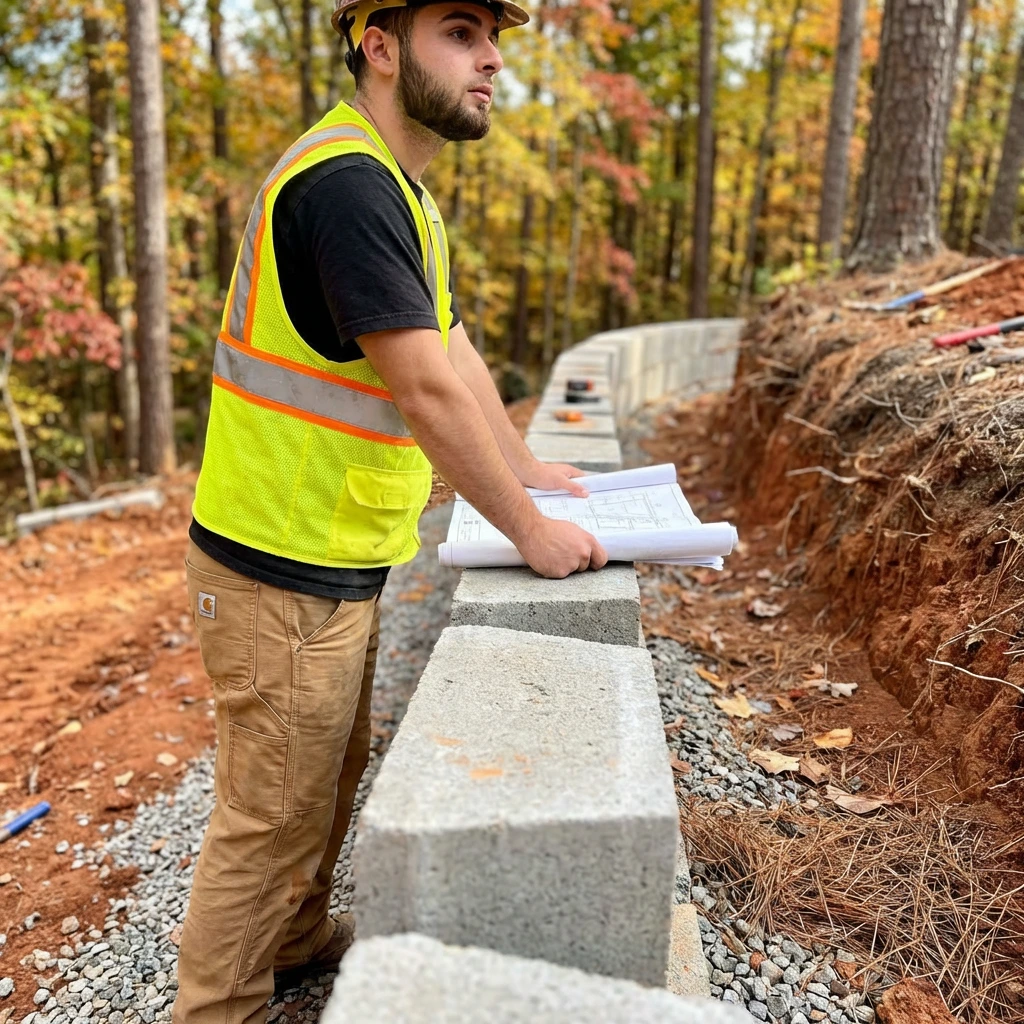
Proper Steps Keep Every Block Course Level and Secure
A block wall is only as good as its base. Skip a step, rush the footing, or ignore the soil conditions, and you'll see cracks within a couple of years. An experienced crew lays roughly 100 to 120 blocks per day under normal conditions.
Layout & Footing
Mark the layout and dig the footing trench to the depth local code requires.
Pour Footing
Pour a concrete footing and let it cure per ASTM guidelines.
First Course
Set the first course of blocks in a full mortar bed, checking level on every unit.
Stack Courses
Stack remaining courses in a running bond pattern with Type S or Type N mortar.
Rebar & Grout
Install steel rebar in vertical cores and fill with grout for added strength.
Tool Joints
Tool the mortar joints while still damp to seal against moisture.
Cure & Inspect
Cure and inspect the finished wall for plumb, level, and proper joint thickness.
We use Type S mortar per ASTM C270[4], which handles below-grade and high-wind conditions.
Block Retaining Walls Hold Back Soil on North Jersey Slopes
If you've got a sloped yard in North Jersey, you probably already know how water runoff and soil movement can cause headaches. Block retaining walls manage that runoff, prevent erosion, and create usable space on uneven lots.
There are four main types of retaining walls: gravity walls rely on their own weight; cantilever walls use a footing that extends under the soil; segmental walls are interlocking block systems for curved or terraced designs; anchored walls use tiebacks for extra support on steep slopes.
Hilly terrain across Morris and Passaic Counties makes retaining walls one of the most requested masonry services we handle. Walls over 4 feet typically need engineered plans per NJ building code[5].

Routine Checks Prevent Cracks and Water Damage in Block Walls
Block walls are tough, but they're not maintenance-free. Catching small issues early is what keeps a repair bill from turning into a rebuild. The most common signs of trouble are stair-step cracks in the mortar joints, white powdery residue called efflorescence, leaning, or water seeping through.
Moisture absorption is one of the main drawbacks of block. Over time, freeze-thaw exposure in North Jersey wears mortar joints down faster than in milder climates. Tuckpointing (grinding out worn mortar and pressing in fresh material) can add decades to a wall's life. Waterproof coatings help too, especially on below-grade walls.
We recommend inspecting block walls twice a year: once in the spring after winter damage, and again in the fall before the next freeze cycle hits. Properly maintained block walls outlast many other building materials by a wide margin.
See Our Block Work in Action
Frequently Asked Questions
What types of block work do masonry contractors build in North Jersey?
Foundation walls, retaining walls, garden walls, structural additions, and decorative block projects. Across Bergen, Passaic, Morris, and Essex Counties, block work is one of the most common masonry services homeowners and property managers request.
How long does a block wall last in North Jersey's climate?
A quality block wall can last 100 years or more with proper installation and regular maintenance. In North Jersey, freeze-thaw conditions mean you need ASTM C90-rated blocks and routine mortar joint upkeep to hit that mark.
Do I need a permit for block work in North Jersey?
Most municipalities require permits for structural block work. Retaining walls over 4 feet typically need engineered plans approved by the local building department before construction can start.
What is the best mortar type for block work in North Jersey?
Type S mortar is the recommended choice for below-grade and exterior block walls. It handles North Jersey's freeze-thaw cycles and meets the structural load requirements for most residential and commercial block projects.
How can I tell if my block wall needs repair?
Look for stair-step cracking in the mortar joints, white powdery residue (efflorescence), leaning, or water seepage. Any of these signs mean it's time to schedule an assessment, ideally before winter when freeze-thaw damage accelerates.
Is block work better than poured concrete for retaining walls in North Jersey?
Both perform well for retaining walls. Block offers more design flexibility, easier section-by-section repairs, and built-in drainage options. That's a good fit for the hilly terrain common across Passaic and Morris Counties.
Need Block Work in North Jersey?
If you've got a project you've been putting off, or something that needs attention now, we're here to help. No pressure, just honest advice.
Need A Mason Contractor? Request An Estimate!
Fill out the form and we'll get back to you promptly.