Masonry Contractor in Passaic, NJ
Steps & Stoops | Concrete Driveways | Concrete Sidewalks | Paver Patios | Retaining Walls | Stone Veneer | Residential & Commercial
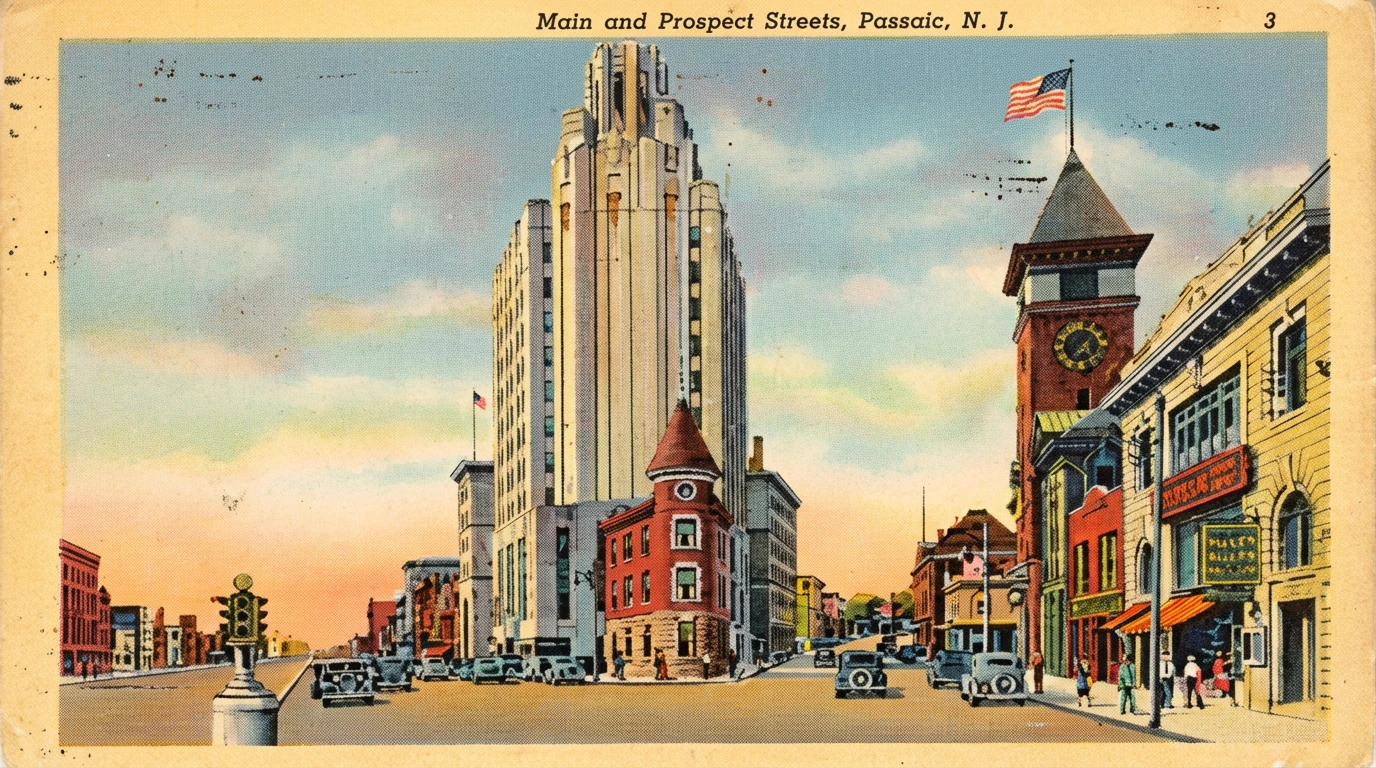
Now it's time for a bit of Passaic County trivia. Passaic sits right in the middle of the County and covers about 3.25 square miles. This makes it one of the most densely populated cities in New Jersey. The area was originally settled by Dutch traders back in 1678 as part of Acquackanonk Township, which also included what is now nearby Clifton and parts of Paterson. The city was officially chartered in 1873, and since then, it has experienced waves of growth, from the textile mills and factories of the late 1800s to the residential neighborhoods you see today along Main Avenue and throughout the Passaic Park section.
Masonry Pro Construction has been working in Passaic and the surrounding area for over 35 years as a licensed masonry contractor. We build and repair masonry steps and stoops, concrete driveways and sidewalks, paver patios, retaining walls, and a full range of masonry and concrete work across the city and areas nearby.
We are located in Totowa, about 10 minutes from most of Passaic, so we are in and out of the city regularly. We have been serving homeowners and property owners throughout Passaic County, for many years. We do a good bit of work in Passaic because of how many older buildings and homes need attention.
What sets Passaic apart from most of the surrounding suburbs is how old a lot of the homes and buildings are, and how tightly everything is built together. Over half of the homes in Passaic were built before 1939, and another quarter went up between 1940 and the late 1960s. That means the original masonry on many of these properties (front steps, foundation walls, stoops, sidewalks, driveways) can have 80 to over 100 years of wear. When you combine that age with the freeze-thaw cycling that North Jersey experiences every winter, it explains why so many of the calls we get from Passaic are for step-and-stoop repairs, crumbling concrete, and failing foundation walls.
The soil across most of Passaic is Boonton series glacial till, which is a clay-heavy mix that holds water and swells when it freezes. That matters for any kind of masonry or concrete work because the ground movement is what causes settling, shifting, and cracking over time. Of course, we factor all of that into every job we plan in Passaic.
Passaic sits along the Passaic River, and parts of the city closer to the riverbank face additional drainage concerns due to the flat, low-lying terrain. That adds another layer to how we approach base prep, grading, and water management on jobs in those neighborhoods.
If you have a project in mind or something that needs fixing, we can usually come out for a free estimate within a few days. Call or text, and we will set up a time.
How We Get to Passaic from Totowa
We are located at 36 Highview Ave in Totowa, and most parts of Passaic are about a 10-minute drive, depending on which section of the city the job is in.
Our most common route is Totowa Road to Route 46 East, then south on Route 21. Route 21 runs right along the western edge of Passaic and has exits for most of the main cross streets, including Brook Avenue, Van Houten Avenue, and Main Avenue. For jobs in the Passaic Park section or near the NJ Transit station, we get off at the Main Avenue exit and head east toward Third Ward Memorial Park. If the job is closer to downtown or the eastern side near Dundee Island Park, we take Route 21 to the Market Street or Monroe Street exits.
On the way in, we pass through Clifton, which is really the only town between Passaic and us on that route. Clifton actually wraps around Passaic on three sides, so a lot of the streets that run into Passaic from the west (like Lexington Avenue, Gregory Avenue, and Paulison Avenue) start in Clifton and cross right into the city. We use those same roads to get to jobs in Garfield, Wallington, and Rutherford, which are all just across the river from Passaic, so we are in this part of the county all the time.
Masonry Steps and Stoops on Passaic's Oldest Homes
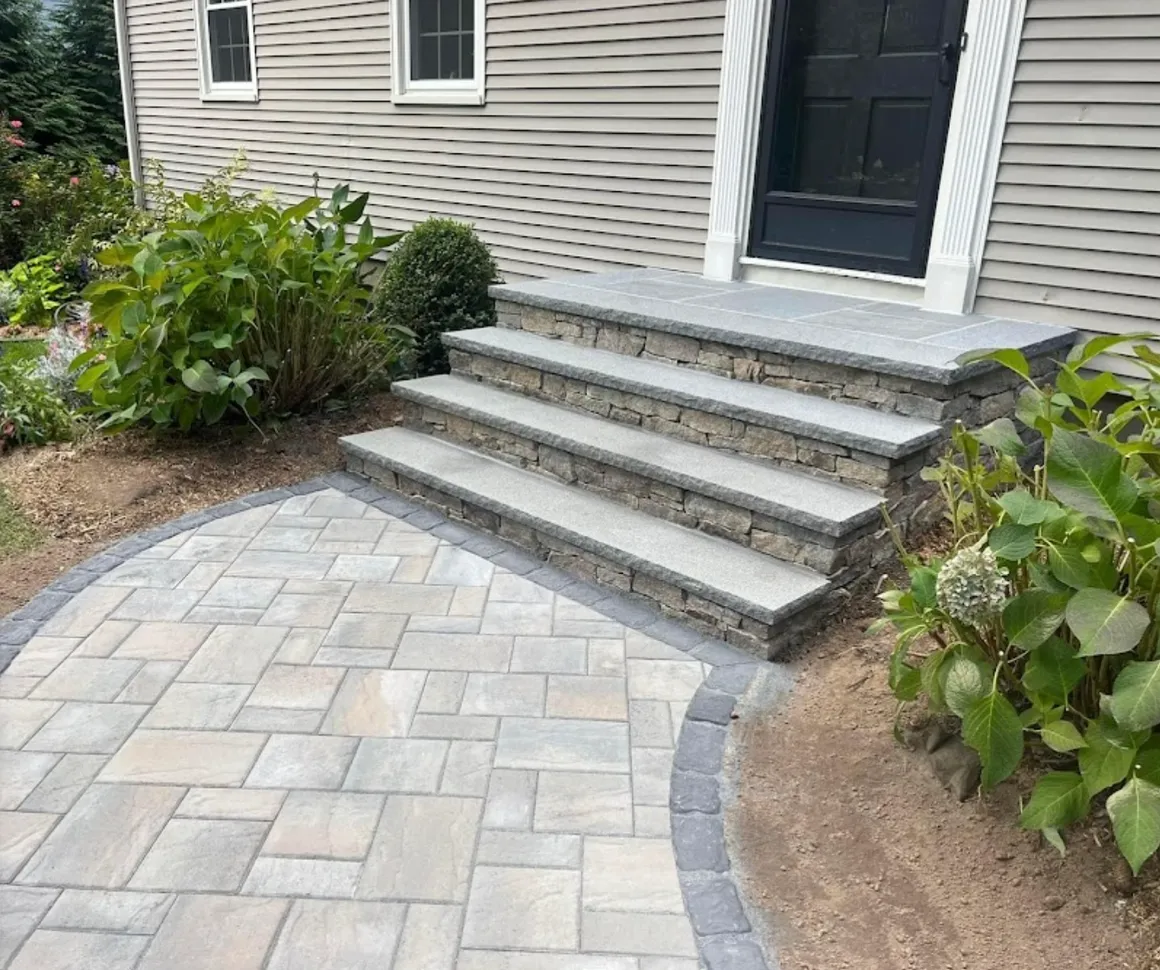
Front steps and stoops are the number-one repair call we get in Passaic, and that makes sense when you think about how old many of these buildings are. The Tudors and Dutch Colonials in the Passaic Park section, the older row-style homes closer to downtown, the two-family and three-family buildings along the side streets off Main Avenue and Broadway, many of them still have the original poured concrete or brick steps that were built when the structure went up. On a home that dates to the 1920s or 1930s, that is close to a century of salt, snow, ice, and freeze-thaw wear.
What we typically find when we look at an older stoop in Passaic is that the original footings were poured shallow and without reinforcement, which was common for that era. The concrete was mixed on site, sometimes inconsistently, and little thought was given to drainage around the base. Over time, the clay soil underneath can shift, the stoop can start to settle unevenly, or pull away from the building. Then water can get into the gap between the stoop and the foundation wall. That gap is usually where the real problem lies, because once water gets behind the foundation, it can cause damage that costs much more to address than replacing the steps would have.
Because Passaic has so many multi-family properties, we also get a fair number of calls from landlords and property managers who need steps and stoops addressed for safety and liability reasons. A cracked or uneven front stoop on a rental property is a trip hazard, and it is the kind of thing that gets noticed during a code inspection. We work with property owners to get the job done on a timeline that works for their tenants, and we can handle the permit coordination with the city's Department of Inspection and Code Enforcement at 330 Passaic Street.
Concrete Driveways and Sidewalks on Passaic's Tight Lots
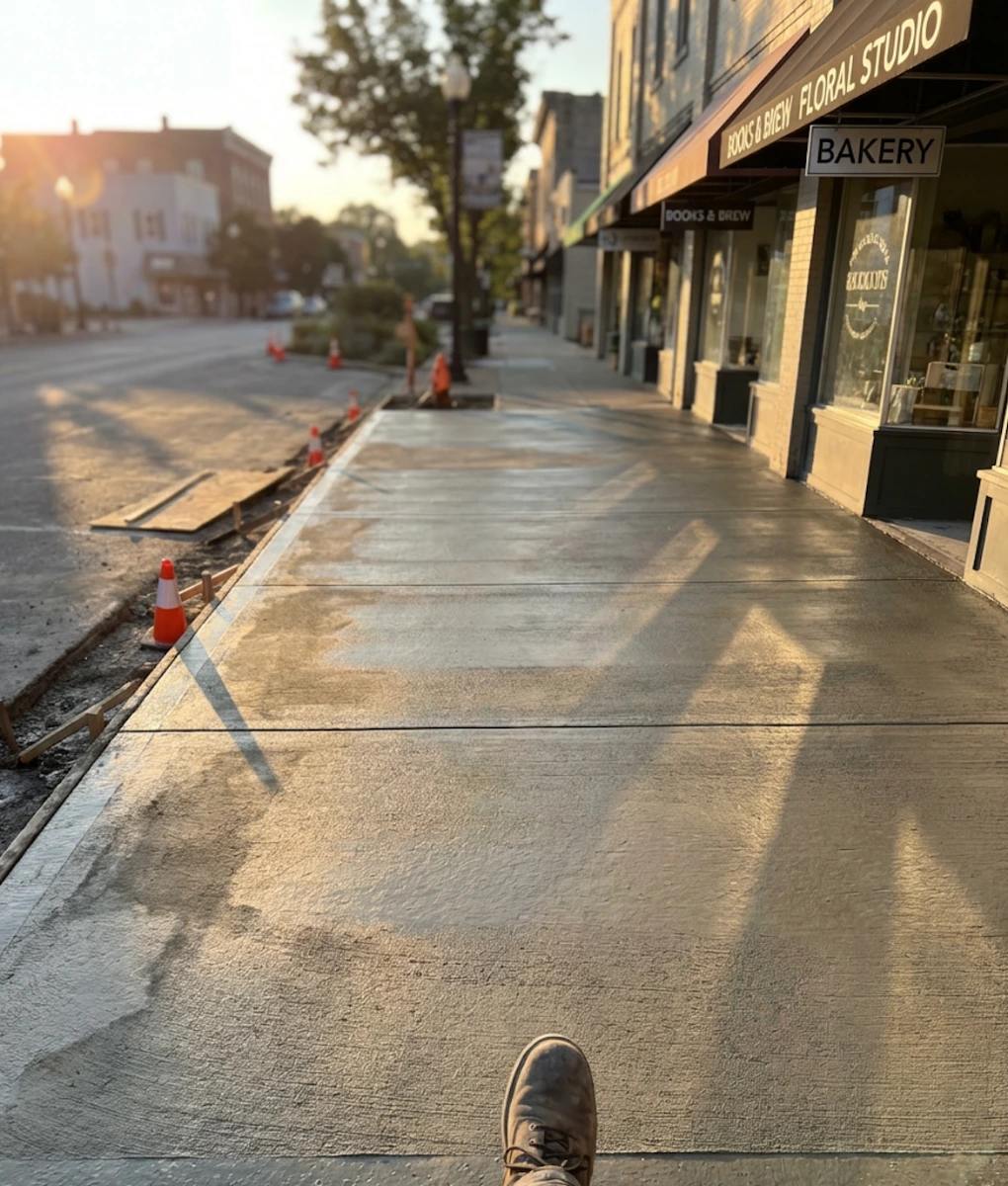
Driveway and sidewalk work in Passaic is a little different from what we see in the surrounding suburbs because of how the city is laid out. The lots here are narrow and the homes sit close together, so you are dealing with shared driveways, tight access, and property lines that are sometimes only a few feet from the edge of the concrete. On a lot of the older streets, the original driveway might only be 8 or 9 feet wide, and the sidewalk runs right up to the front of the property with no buffer.
A lot of the concrete in Passaic is original to the home, which on the older properties means it has been in place for 70 to 90 years. Surface spalling is usually the first thing a homeowner or property owner notices, where the top layer starts to flake and pit from decades of salt and freeze-thaw exposure. But by the time you can see the spalling, there is usually cracking underneath because water has been working its way into the slab and expanding every winter. The Boonton clay soil makes it worse because the ground itself holds moisture and moves when it freezes, so the slab does not just crack from the top down. It can also heave and settle from underneath.
Sidewalk replacement in Passaic can sometimes involve coordination with the city, particularly if the work is on a public sidewalk or near the curb line. The city's code enforcement office handles sidewalk-related violations, and if you have received a notice about a damaged sidewalk, we can come out and give you an estimate for the repair or replacement and walk you through what is required. For driveway work that involves changes to the curb opening or apron, you may need a separate permit from the city engineering department. We sort out which permits apply before we start.
Retaining Walls for Grading and Drainage Near the Passaic River
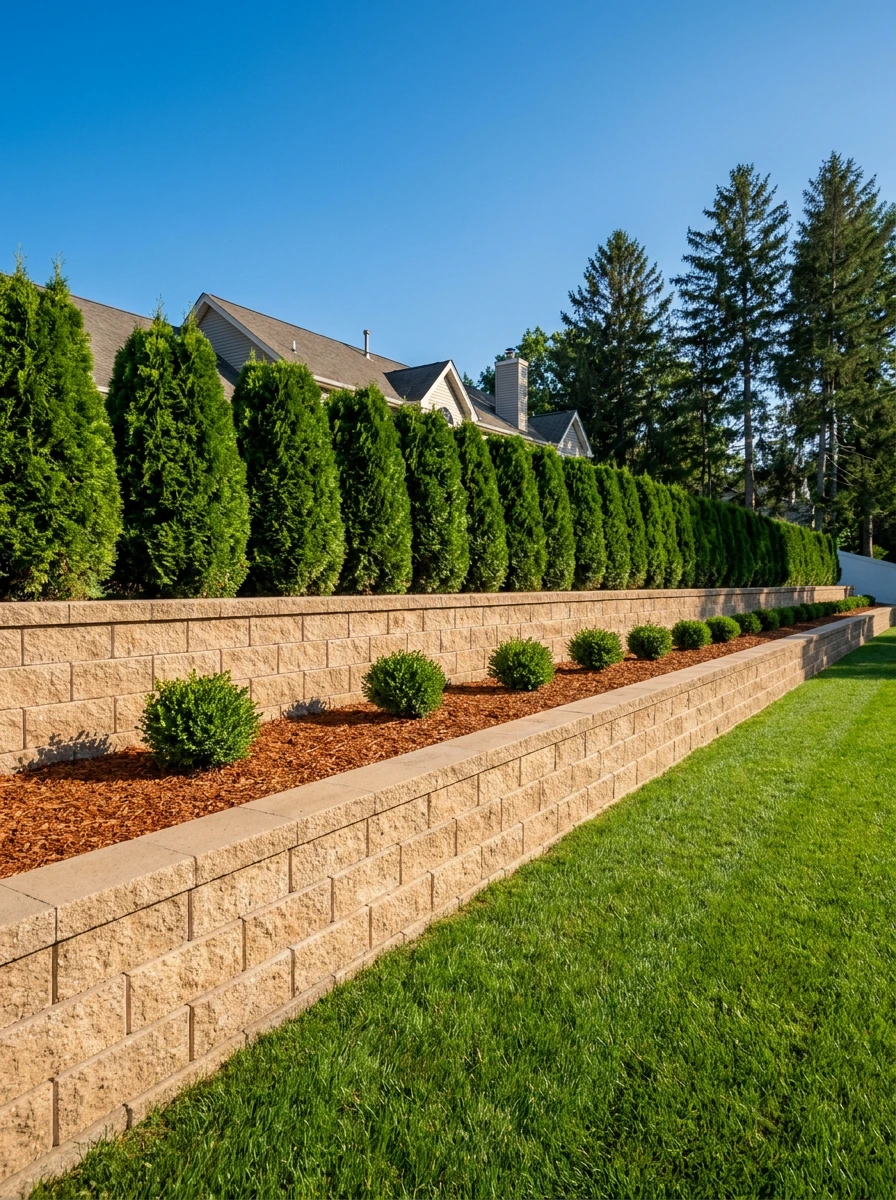
Passaic does not have the steep hillside lots that you find on the western side of Clifton near Garrett Mountain, but retaining walls are still a common need here for a different reason. A lot of properties in Passaic have grade changes between the yard, the driveway, and the neighboring lot, and on the blocks closer to the Passaic River the terrain is flat and low-lying, which creates drainage problems that a properly built wall can help manage.
On the older residential streets, we see a lot of small retaining walls (two to three feet tall) that were built decades ago to hold back a raised yard or separate one property from another. A lot of those walls were dry-stacked or built with minimal reinforcement, and after 50 or 60 years of moisture and freeze-thaw the blocks or stones have shifted and the wall is leaning or bulging. When the soil behind the wall is clay, which it is across most of Passaic, the lateral pressure builds every time the ground absorbs water and then freezes. Without proper drainage behind the wall (filter fabric, gravel backfill, weep holes), that pressure has nowhere to go, and the wall eventually gives.
For retaining walls over 4 feet tall, the NJ Uniform Construction Code requires engineering calculations from a licensed professional engineer. Walls under that height still need to meet the city's zoning and construction permit requirements. We handle the permit coordination with Passaic's building department so you do not have to figure that process out on your own.
Paver Patios for Smaller Yards in Passaic and Passaic Park
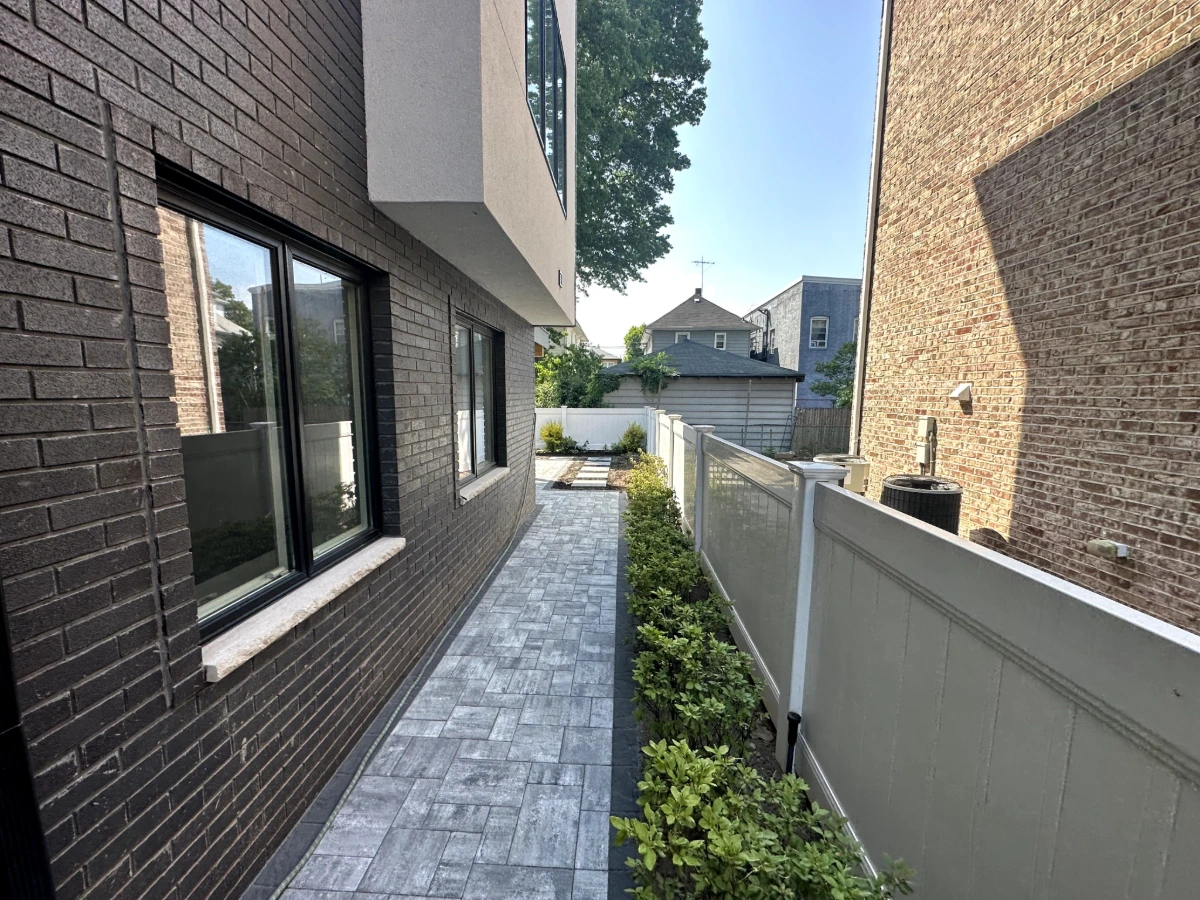
Passaic does not have the deep suburban backyards that you find in Wayne or Montclair, but that does not mean patio projects are not happening here. We get calls from homeowners in the Passaic Park section and throughout the residential streets who want to make better use of whatever outdoor space they do have. Even a 200 or 300 square foot paver patio can change how a family uses their backyard, and on a smaller lot the design and layout matter even more because you are working with less room.
The same soil issues that affect driveways and steps in Passaic apply to patios. Boonton clay holds moisture and moves when it freezes, so a patio that was laid on a thin base or without proper drainage will start to shift and settle within a few years because the ground underneath is doing the moving for it. We dig deeper than a lot of contractors and compact the aggregate base in lifts, because on clay soil you do not get a second chance to get the foundation right. On the smaller Passaic lots, managing where the water goes after it runs off the patio is just as important as the base itself, since there is less yard to absorb it and neighboring properties are often right there.
We also hear from homeowners in Passaic who searched for stamped concrete and ended up finding us. We will be upfront about it: stamped concrete does not hold up well in North Jersey because the freeze-thaw cycling cracks the surface, and once the seal breaks the deterioration picks up fast. Pavers handle the same conditions better because each unit can flex independently, and if one does crack you can pull it and replace just that piece without redoing the whole patio.
Services We Provide in Passaic
Here is a quick look at the work we do across Passaic's neighborhoods. Each service links to a page with more detail on materials, process, and what to expect.
- Masonry Steps & Stoops: New construction and replacement steps for older homes and multi-family buildings, built on proper footings.
- Concrete Driveway Installation: Full driveway replacement with reinforcement and drainage, designed for tight urban lots.
- Concrete Sidewalk Installation: Sidewalk repair and replacement, including coordination with city code enforcement notices.
- Paver Patio Installation: Custom patios with proper base prep for clay soil, sized for Passaic's smaller residential lots.
- Retaining Wall Installation: Structural and decorative walls with drainage and engineering coordination where required.
- Retaining Wall Repair: Fixing leaning, cracked, or bulging walls and addressing the drainage problems behind them.
- Stone Veneer Installation: Facade upgrades and foundation wraps for older Passaic homes.
- Basement Waterproofing: Interior and exterior waterproofing for Passaic basements affected by clay soil and river-area drainage.
Frequently Asked Questions About Masonry Work in Passaic
Do I need a permit for masonry work in Passaic?
Most structural masonry work in Passaic requires a construction permit from the city's Department of Inspection and Code Enforcement at 330 Passaic Street. Retaining walls, new steps and stoops, and driveway modifications typically require a permit application and inspection. A paver patio on your own property usually does not need a building permit, but it may count toward your lot's impervious coverage under the city's zoning code. We can check what applies to your specific project when we come out for the estimate.
What type of soil do most Passaic properties sit on?
Most of Passaic sits on Boonton series glacial till, which is a clay-heavy soil that holds water and expands when it freezes. That movement is what causes settling, shifting, and cracking in steps, driveways, patios, and walls over time. We account for it by excavating deeper, compacting the base in lifts, and building in drainage so the water has somewhere to go instead of sitting under your project.
How long does it take to replace front steps on a Passaic home?
Most step and stoop replacements in Passaic take about 3 to 5 working days, depending on the size of the stoop and whether the old footings need to come out completely. On multi-family buildings with larger stoops the timeline can run a little longer. Weather and permit timing can shift things, but we give you a clear schedule before we start and keep you updated if anything changes.
Do you work on multi-family and rental properties in Passaic?
Yes, we work with both homeowners and property owners in Passaic, including two-family and three-family buildings. We understand that rental properties have additional considerations around tenant access and scheduling, and we coordinate with property managers to minimize disruption. If you have received a code enforcement notice about steps, a sidewalk, or another masonry issue, we can come out and give you an estimate quickly.
When is the best time of year to start a masonry project in Passaic?
Spring through early fall, roughly April to November, is the best window because the ground needs to be workable and temperatures need to stay above freezing for concrete and mortar to cure properly. We start booking spring projects in late winter, so if you reach out in February or March you have the best shot at getting on the schedule early in the season before things fill up.
Does Masonry Pro serve all of Passaic?
Yes, we work across the entire city of Passaic, from Passaic Park and the Third Ward area to the blocks near downtown, Main Avenue, Broadway, and the neighborhoods closer to the river and Dundee Island Park. Our shop in Totowa is about 10 minutes from most parts of the city, and we are in Passaic regularly for both new projects and repairs.
Get a Free Estimate on Your Passaic Masonry Project
If you've got a project you've been putting off, or something that needs attention now, we're here to help. No pressure, just honest advice.
Need A Mason Contractor? Request An Estimate!
Fill out the form and we'll get back to you promptly.