If you grew up in North Jersey, you already know what a stoop is. You may have sat on one as a kid. Your parents may have stood on it talking to the neighbors. It's where people leave packages and where everyone ends up when they stop by. If you try to explain a stoop to someone from the Midwest or the West Coast, you'll probably get a confused look. "You mean your front porch?" Not exactly.
Where the Word "Stoop" Comes From
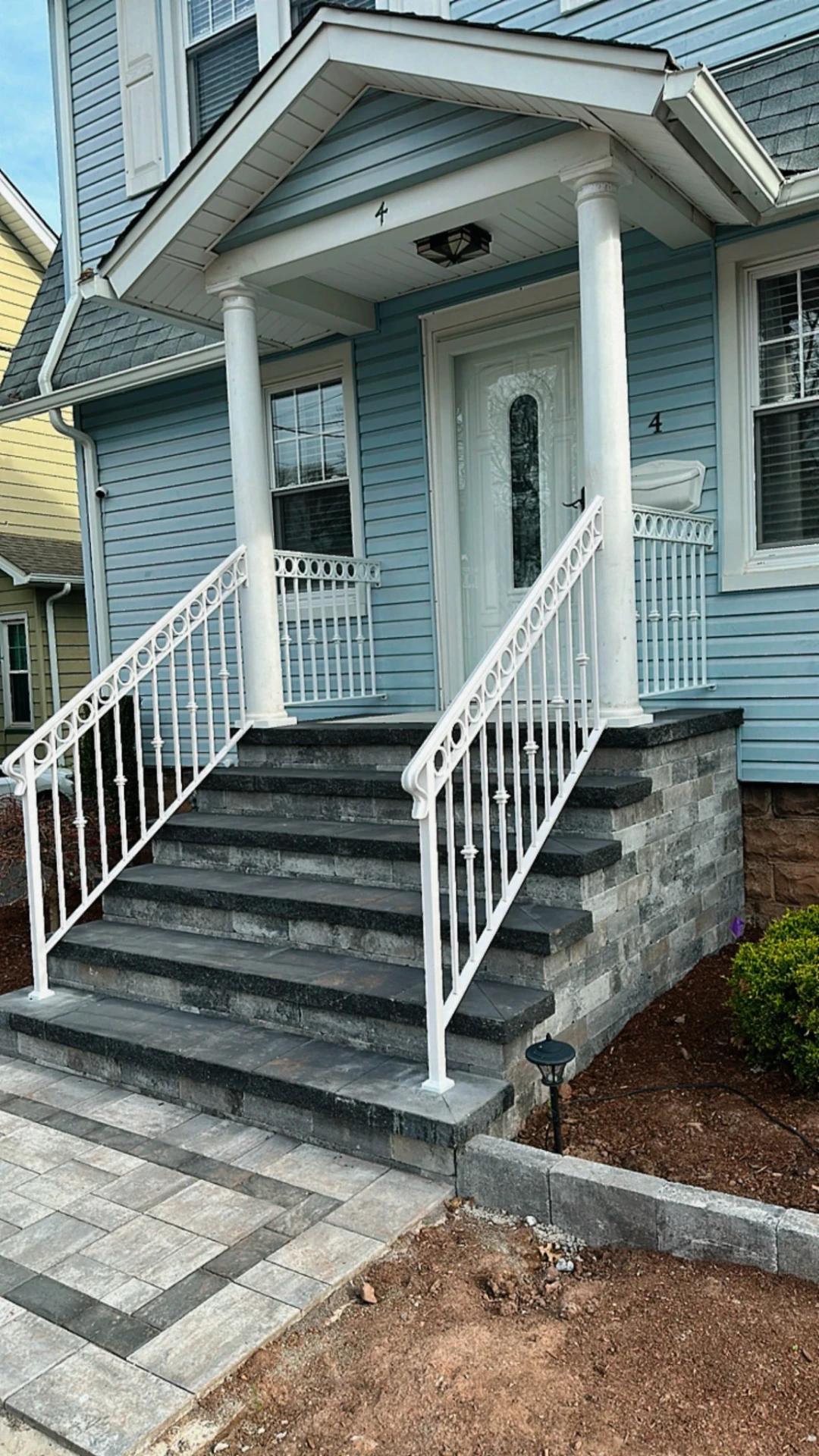
The word stoop comes from the Dutch "stoep," which referred to a small platform with steps at the front of a house. According to the Online Etymology Dictionary, the American use of "stoop" dates back to 1755, borrowed from Dutch settlers who brought the term (and the architectural feature) to the Mid-Atlantic region in the 1600s.1 It stuck around in New York, New Jersey, and parts of Pennsylvania long after other Dutch influences faded.
There's actually a practical reason behind the original design. In Holland, homes were built with a raised front stoep to keep parlor floors above flood level.2 When early Dutch settlers built homes in the Mid-Atlantic, they carried that same design with them. Even though the flooding risk was different here, the elevated entry stuck as an architectural standard.
Why Stoops Are More Common in the Northeast
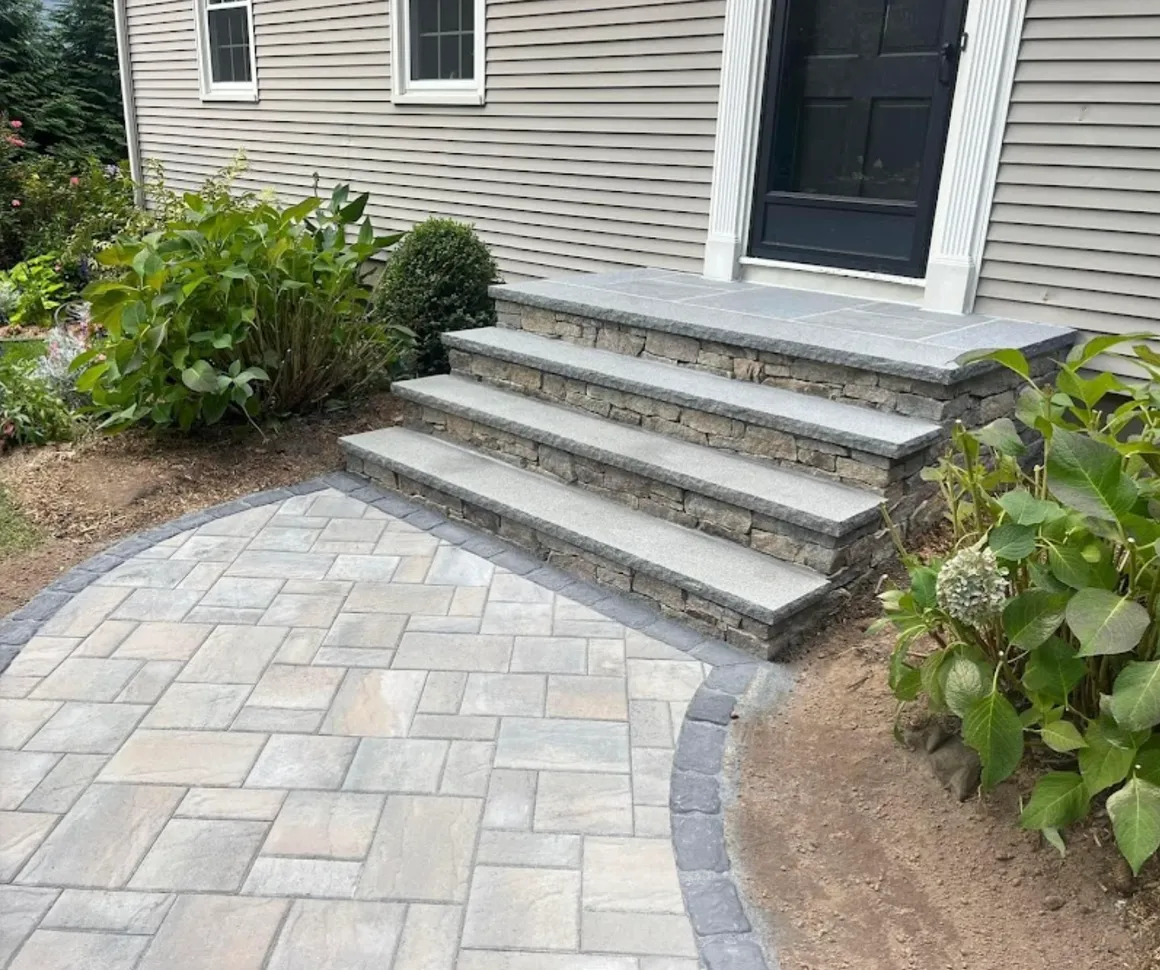
Homes in the Northeast tend to sit higher off the ground than homes in the South or out West. There are a few reasons for that. Building codes require foundations to extend below the frost line, which in North Jersey is 36 inches deep.3 That puts the first floor well above grade, which means you need masonry steps to get to the front door.
The architectural styles common to the area reinforce this. Colonials, Cape Cods, Tudors, and Split-Levels all feature raised entries with masonry stoops. Walk through neighborhoods in Montclair, Nutley, Glen Ridge, or Clifton, and you'll see brick, bluestone, and concrete stoops on nearly every block.
In areas with milder climates and shallower foundations, homes sit closer to ground level. A single step or a flush entry is more common. That's part of why the stoop is a distinctly Northeastern feature.
What Your Stoop Goes Through Every Year
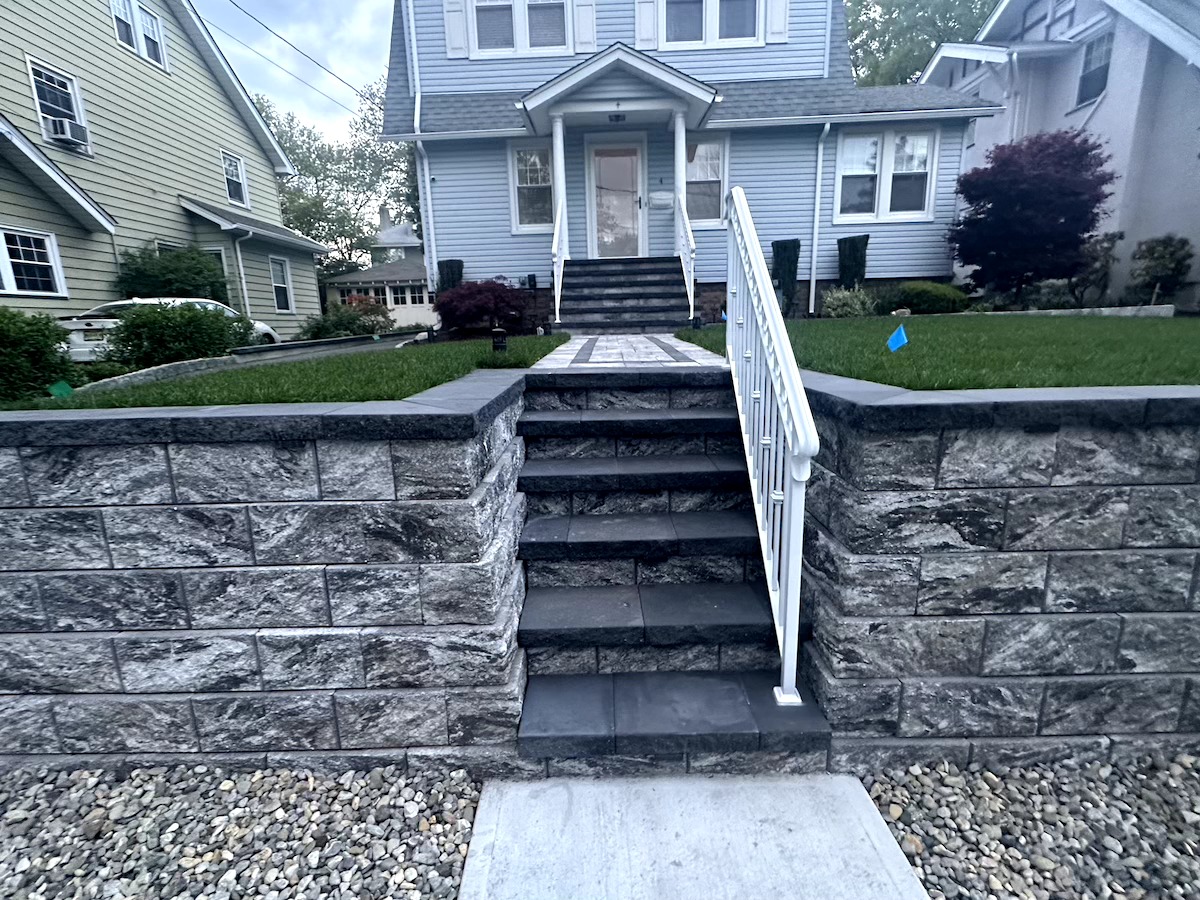
Here's the thing that most homeowners don't think about: your stoop takes more punishment than almost any other exterior surface on your property. Every person who enters and exits your home walks on it multiple times a day. In winter, it gets hit with ice, snow, rock salt, and calcium chloride.
The freeze-thaw cycle in North Jersey can repeat dozens of times between November and March. Water can seep into mortar joints and hairline cracks, freeze, expand, and force those cracks wider over time. Every winter can make it a little worse.
On top of that, stoops are structural. They bear the load. When the footings beneath settle or shift (common in clay-heavy soil across Passaic and Bergen counties), the entire structure can pull away from the house. You'll see a gap open up between the stoop and the foundation wall. That gap lets water in, which accelerates the problem, the same reason basement waterproofing is so critical in this region.
Signs Your Stoop Needs Attention
Some of these are obvious, some are easy to miss.
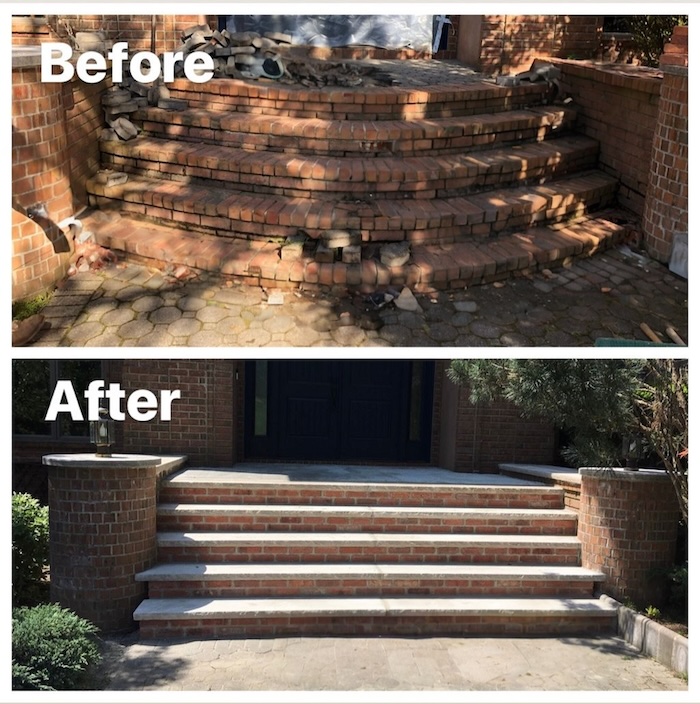
Crumbling mortar between the bricks or stones is usually the first sign. It looks minor, but it means water is getting into the joints and breaking them down from the inside. Cracks running across the top landing or down the side walls are another indicator. If the stoop is pulling away from the house (even a quarter inch), that's a structural concern.
Loose or rocking steps are a safety issue. A visitor, a delivery driver, or a family member stepping on an unstable tread in winter is an accident waiting to happen. If you're noticing any of these, it's worth getting it looked at sooner rather than later. A targeted repair now can save you from a full replacement down the road.
Repair vs. Replacement: How to Know
Not every stoop problem means starting over. If the footings are solid and the structure isn't shifting, repointing the mortar joints, resetting a few stones, or patching surface damage can extend your stoop's life by years. But if the footings have failed, the structure has separated from the house, or the damage is widespread, a rebuild is usually the smarter investment. Pouring money into repairs on a failing foundation just delays the inevitable.
We'll give you an honest answer on which route makes sense. We've repaired and rebuilt stoops across Bergen, Morris, Essex, and Passaic counties for over 35 years, alongside concrete driveways, walkways, and every other piece of the exterior. We know what's worth saving and what needs to start fresh.
The Stoop Isn't Going Anywhere
Trends come and go in home design, but the stoop is a permanent fixture in North Jersey. It's part of how homes have been built in the area. It's part of the culture. And when it's done right, with proper footings, quality materials, and craftsmanship that accounts for our climate, it can last as long as the house itself.
If your stoop is showing its age, or if you're building new and want an entry that fits the character of your home, give us a call or text at (973) 725-2395. Free estimate, no trip fee. We'll come take a look and talk through what makes sense for your masonry project.
Frequently Asked Questions
What is a stoop?
A stoop is a small raised platform with steps at the front entrance of a house. The term comes from the Dutch word "stoep" and is most commonly used in the Northeast United States, particularly in New Jersey and New York. Unlike a porch, a stoop is typically made of masonry (brick, stone, or concrete) and serves as both a structural entry point and a social gathering spot.
Where does the word stoop come from?
The word stoop comes from the Dutch "stoep," which referred to a small platform with steps at the front of a house. According to the Online Etymology Dictionary, the American use of the word dates back to 1755, brought to the Mid-Atlantic region by Dutch settlers in the 1600s. The term stuck around in New York, New Jersey, and parts of Pennsylvania long after other Dutch influences faded.
How do I know if my stoop needs repair?
Common signs include crumbling mortar between bricks or stones, cracks running across the top landing or side walls, the stoop pulling away from the house (even a quarter inch), and loose or rocking steps. If your stoop is showing any of these issues, it is worth getting a professional assessment before minor damage becomes a full replacement.